The Pantry Rotation Hack: Keeping Your Freebies Fresh and Useful

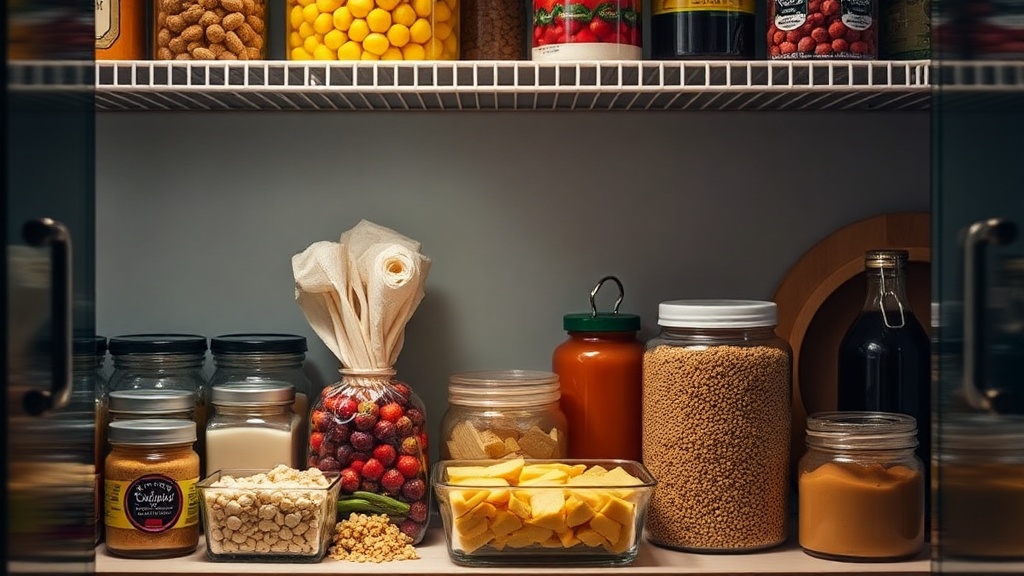
A kitchen cabinet in a West Loop apartment stands slightly ajar, revealing a chaotic collection of high-end olive oils, artisanal sea salts, and specialty grains. Most of these items were acquired through high-value digital offers or promotional giveaways, but they are sitting there, untouched, gathering dust. The olive oil is nearing its expiration date, and the organic quinoa is relegated to the back corner, buried under a pile of seasonal freebie gift sets. This isn't a pantry; it's a graveyard of missed opportunities.
The problem with the "freebie culture" isn't the acquisition—it's the accumulation. When you score a high-end pantry staple through a promotion or a specialized deal, the psychological victory of getting it for $0.00 often overrides the practical necessity of using it. You end up with "aesthetic debt," a term I use to describe the collection of high-quality goods you own but never actually consume because they’ve become part of the background noise of your kitchen. To avoid this, you need a system that treats freebies with the same rigor as a paid grocery budget.
The Fundamentals of the Pantry Rotation System
A successful pantry rotation isn't about organization for the sake of a "Pinterest-perfect" look; it is about inventory management. If you are scoring high-value items through high-value gift card offers or promotional codes, you are essentially managing a micro-economy within your own home. You must treat these items as liquid assets that need to be "spent" through consumption before they lose value.
The First-In, First-Out (FIFO) Rule
In the professional culinary world, FIFO is the gold standard. It is simple: the oldest stock goes to the front. When you score a free bottle of premium balsamic vinegar through a brand promotion, do not tuck it behind your current, half-empty bottle. Place the new, free item behind the one you are currently using. This ensures that you actually finish the product you are currently paying for before moving on to the "free" one, preventing a backlog of half-used bottles that clutter your workspace.
Categorization by Volatility
Not all freebies are created equal. You need to categorize your pantry items by their "volatility"—how quickly they degrade or lose their peak flavor profile. I divide my pantry into three distinct zones:
- The High-Turnover Zone: These are items like almond milk, fresh herbs, or artisanal oils. They have a short shelf life and high utility. If you score these through a rapid-fire deal, they must be moved to the front of your daily workflow immediately.
- The Stable Zone: These are dry goods like jasmine rice, dried lentils, or specialty pasta. These can sit in your pantry for months, but they still require a "use-by" date monitoring system.
- The Occasional Zone: This is for the "luxury" freebies—the expensive truffle salt or the small-batch honey. These are your reward items. They should be stored in a specific, visible container so they don't get lost in the shuffle of everyday staples.
Implementing the "Inventory Audit" Protocol
Once a month, you need to perform a brutal audit of what you have actually acquired versus what you are actually using. If you find yourself with five jars of artisanal pesto because you couldn't resist a "buy one, get one" digital offer, you have a problem. You aren't saving money; you are just hoarding ingredients that will eventually expire and be thrown away, which is the ultimate waste of a good deal.
During your audit, look for "ghost items." These are products that were "free" or heavily discounted but have become invisible to you. A common example is the high-end coconut oil or the specialized grain you scored during a seasonal sale. If you haven't touched it in 30 days, it needs to be integrated into a meal within the next 7 days. If you can't think of a way to use it, you shouldn't have "bought" it, even if it was free.
The "Meal-First" Integration Technique
Instead of looking for a recipe and then looking for ingredients, flip the script. Look at your "freebie" inventory first. If you have a surplus of high-quality farro because of a recent promotion, your meal planning for the week should revolve around that farro. This is how you ensure that your "wins" actually result in lower grocery bills rather than just a more crowded pantry.
For example, if you’ve been turning your receipts into free groceries, you likely have a variety of disparate items. Use the "Hero Ingredient" method: pick one high-value item you acquired for free and make it the "hero" of a meal. This forces you to use the item and prevents it from becoming stagnant inventory.
Storage Solutions That Actually Work
Aesthetic containers are a trap. Many people spend more on glass jars and uniform labels than they did on the actual products they are storing. While a uniform look is satisfying, it often hides the very thing you need to see: the expiration date and the volume of the product.
The Transparency Mandate
If you are using clear glass or acrylic containers, ensure they are sized appropriately for the volume of the product. If you have a large amount of freebie rice, don't try to squeeze it into a tiny, decorative jar. Use a large, functional airtight container. More importantly, always use a permanent marker or a piece of painter's tape on the bottom or back of the container to note the expiration date. You should never have to guess if that specialty flour is still good.
Zone-Based Labeling
Labeling should be functional, not just decorative. Instead of labeling a jar "Quinoa," label it "Quinoa - Exp 12/24." This tiny addition of information changes the item from a static object to a dynamic piece of inventory. This is especially important when you are dealing with products acquired through rapid-fire deals where you might be managing multiple similar-looking grains or spices at once.
The Math of the Rotation: Avoiding Aesthetic Debt
To truly master the pantry rotation, you have to understand the math of your consumption. If you are spending $20 a month on "freebie hunting" (in terms of time, effort, or small shipping fees) to acquire items that you eventually discard, you are actually losing money. This is the hidden cost of the deal-seeker lifestyle.
"The goal of a smart consumer is not to own the most things; it is to consume the highest quality things at the lowest possible cost. If your pantry is full of freebies you don't use, you haven't won the game—the retailer has."
Track your "Wasted Value." At the end of each quarter, calculate the estimated retail value of the items you had to throw away because they expired. If that number is climbing, your rotation system is failing. You are likely over-collecting based on the "high" of the deal rather than the reality of your caloric needs. To combat this, implement a "one-in, one-out" rule: do not go after a new pantry-based deal until you have finished at least two items currently in your rotation.
The Practical Checklist for Your Next Pantry Reset
- Clear the Deck: Remove everything from your pantry. Wipe down the shelves with a damp cloth and a mild vinegar solution.
- The Expiration Sweep: Toss anything that is past its date. Do not be sentimental about "free" items. If it's expired, it's trash, not a saved dollar.
- Re-group by Category: Group items by type (Grains, Oils, Spices, Legumes) rather than by how you acquired them.
- Apply FIFO: Move the oldest items to the front of the shelf.
- Label with Intent: Add expiration dates to every container that doesn't have one clearly visible.
- Set a Consumption Goal: Identify three "hero" items from your freebie collection and commit to using them in your meal prep for the upcoming week.
By treating your pantry as a rotating inventory rather than a static collection, you move from being a passive recipient of deals to an active manager of your household resources. You stop accumulating aesthetic debt and start building a kitchen that is actually functional, efficient, and—most importantly—profitable.
Steps
- 1
Inventory Audit
- 2
The FIFO Method
- 3
Labeling for Success
- 4
Monthly Check-ins