Hunting for Hidden Gems: Using Clearance Sections to Stock Your Pantry

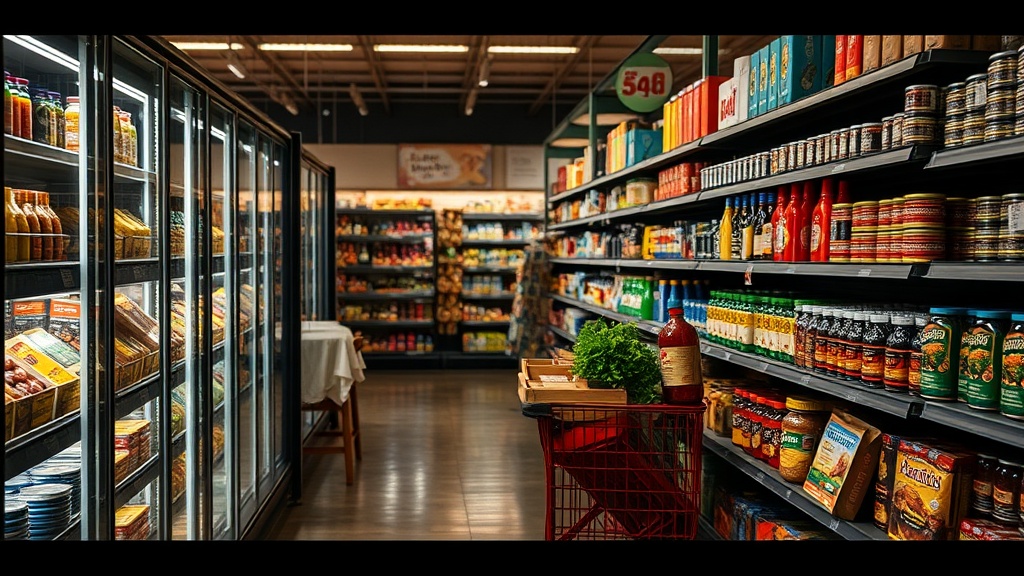
The fluorescent hum of a grocery store at 9:00 PM feels different than the midday rush. The shelves are thinner, the air is cooler, and the heavy, rhythmic thud of a cardboard box hitting a metal prep table echoes through the aisles. In the corner, near the end of the baking aisle or tucked behind the seasonal decor, sits the clearance bin—a chaotic graveyard of bright packaging and red stickers. To the uninitiated, it looks like a mess of near-expired goods. To a disciplined consumer, it is a high-yield resource center for building a high-quality pantry without the "aesthetic debt" of premium retail pricing.
Retailers use clearance to manage inventory turnover, not to be generous. When a product reaches its "markdown threshold," the goal is to recoup even a fraction of the cost to make room for new SKUs (Stock Keeping Units). If you understand the math of the markdown, you can stop paying full price for shelf-stable staples and start treating the clearance section like a strategic procurement department.
The Logic of the Markdown: Why Clearance Exists
To shop effectively, you must understand that a clearance tag isn't a random event; it is a calculated move by a category manager. There are three primary reasons a product hits the clearance rack, and each dictates how you should approach the purchase:
- Seasonal Transitions: This is the most common driver. A brand like Williams-Sonoma or even a standard grocery staple like McCormick seasonal spice blends will be aggressively marked down when the season shifts. You’ll see pumpkin spice extracts in late January or peppermint bark ingredients in March.
- Packaging Overhauls: When a company like Nestlé or General Mills updates their box design, the "old" packaging becomes a liability. The product inside is identical, but the retailer cannot stock two versions of the same item. This is your golden opportunity to grab high-quality grains, pastas, or baking goods at a 50-70% discount.
- Inventory Imbalance: Sometimes, a retailer over-ordered a specific brand of olive oil or organic almond butter. To clear the shelf space for a new high-margin item, they will slash prices to move the volume quickly.
Understanding these drivers allows you to predict when to look. Don't wait for the sale to be announced; look for the physical signs of a transition. If the seasonal aisle is starting to feature spring florals, the winter chocolate and heavy baking supplies are about to hit the clearance bin.
High-Value Targets: What to Buy and What to Avoid
Not all clearance items are created equal. A cheap price tag on a low-quality item is still a waste of money. To build a functional pantry, you must focus on "Long-Life, High-Utility" items. These are products that have a long shelf life and a high cost-per-use value.
The "Green Light" List: High-Value Staples
Focus your energy on these categories, as they offer the best return on your investment:
- Dry Goods and Grains: High-quality quinoa, jasmine rice, or organic farro are often marked down during packaging shifts. These items are virtually indestructible if kept in airtight containers.
- Specialty Oils and Vinegars: A bottle of high-end balsamic vinegar or cold-pressed extra virgin olive oil can often be found at a deep discount when the label is being updated. These are expensive staples that benefit most from a 40% discount.
- Baking Essentials: Pure vanilla extract, high-grade cocoa powder, and almond flour are frequently subject to seasonal clearance. These are high-cost items that can significantly inflate a grocery bill if bought at full price.
- Canned Goods: Look for high-quality proteins like canned wild salmon or artisanal tomato pastes. As long as the seal is intact, the "best by" date is often a quality suggestion rather than a hard safety limit.
The "Red Light" List: Avoid These Traps
Avoid the temptation to buy items that are cheap simply because they are nearing a functional end-of-life. This includes:
- Opened or Compromised Packaging: If a bag of flour has a tiny puncture, do not buy it, regardless of the price. The risk of pests or oxidation is too high.
- High-Perishability Items: A clearance deal on a bruised peach or a wilting bunch of kale is not a "deal"; it is a waste of your time and a potential trip to the trash can.
- Niche Ingredients You Rarely Use: Just because a jar of truffle salt is 80% off doesn't mean you should buy it if you only use it once a year. That is "aesthetic debt" in its purest form—buying a lifestyle you don't actually live.
The Strategic Workflow: How to Audit the Aisles
Effective clearance shopping requires a system. You cannot simply wander the aisles hoping to stumble upon a deal. You need a protocol. I recommend a three-step audit process whenever you visit a major retailer like Trader Joe's, Whole Foods, or your local Kroger.
Step 1: The "End-Cap" Scan
The end-caps (the displays at the end of aisles) are prime real estate. Retailers use them for new launches, but they also use them to dump clearance stock. Before you even enter the main aisles, walk the perimeter of the store. Look for the bright yellow or red "Reduced" signs on these end-caps. This is where the highest-margin items are often hidden.
Step 2: The "Bottom Shelf" Deep Dive
Retailers place high-margin, full-price items at eye level to entice you. The clearance items, however, are often relegated to the bottom shelf or tucked into the back of the shelf to keep the store looking "clean." Physically crouch down. Look at the very bottom shelf of the pasta, grain, and baking aisles. This is where the "old-label" items live.
Step 3: The Date Verification
Before placing an item in your cart, check the "Best By" vs. "Use By" dates. A "Best By" date is an indicator of peak quality, not safety. If you find a high-quality organic coconut milk that is two months past its "Best By" date, it is likely perfectly fine for a curry or a smoothie. However, if you are looking to stock up for the long term, ensure the date gives you enough runway to actually use the product.
"The goal of smart shopping isn't to find the cheapest item; it's to find the highest quality item at the lowest possible price-per-unit. A $10 jar of honey at 50% off is a better deal than a $2 jar of corn syrup at full price."
Maximizing Your Savings with Digital Tools
While the physical clearance bin is your primary target, you can amplify your results by using digital tools to track price drops and manage your budget. Many people overlook the fact that physical clearance often mirrors digital price drops. If you see a brand of olive oil on clearance in-store, check your store's app. Sometimes, the digital coupon can be stacked with the clearance price, though this varies by retailer.
To truly master your grocery budget, you should look beyond the physical shelf. For instance, using cashback apps to reclaim your grocery budget can add an extra layer of savings on top of the clearance prices you find in person. By combining the "boots on the ground" approach of hunting clearance with the digital efficiency of modern fintech, you turn grocery shopping from a monthly chore into a high-yield activity.
The Golden Rule: The "Cost-Per-Use" Test
Before you finalize your purchase at the register, perform one final mental calculation: the Cost-Per-Use. If you are buying a $15 bottle of specialty balsamic vinegar because it is marked down from $25, ask yourself how many meals you will actually make with it. If the answer is "one salad a month," the $10 savings is an illusion. You are still spending $15 on an item that will likely sit in your pantry for a year, gathering dust and taking up space.
True pantry mastery is about building a foundation of high-quality, versatile ingredients that you use frequently. Use the clearance section to upgrade your baseline—buy the better olive oil, the more expensive sea salt, or the premium organic flour—when the math actually works in your favor. This approach ensures your pantry is a functional tool for cooking, rather than a graveyard of "cheap" items you never actually use.
Steps
- 1
Identify High-Value Categories
- 2
Time Your Visits Strategically
- 3
Check Expiration Dates Carefully
- 4
Build a Rotation System