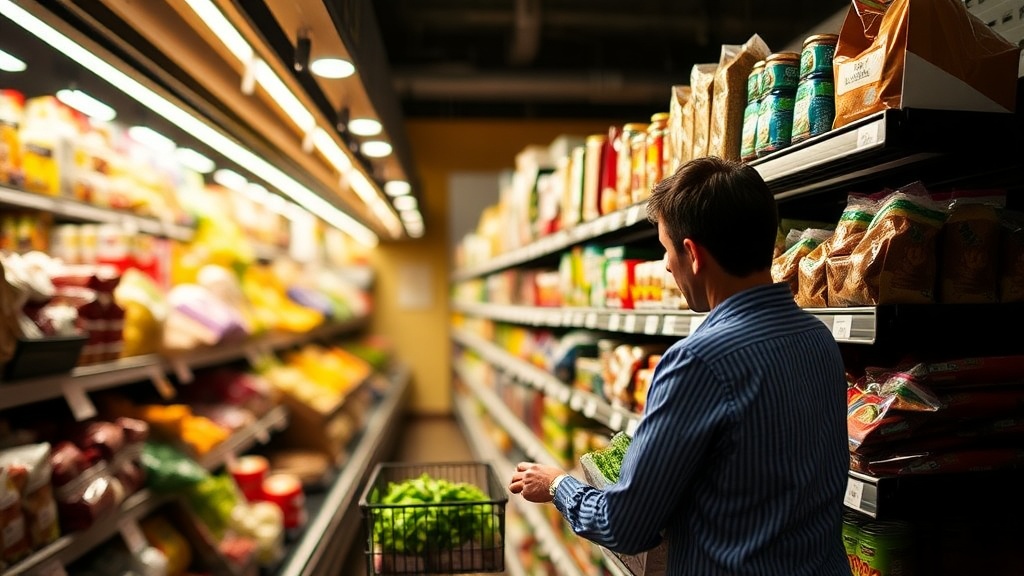
Hidden Savings in the Bulk Aisle: A Smarter Way to Stock Up

This post breaks down the math behind bulk buying, identifies which products actually save you money, and exposes the "bulk trap" where larger quantities actually cost more per unit. You'll learn how to calculate unit prices, identify when a sale is a fake, and which categories are worth the upfront investment.
The bulk aisle is a psychological minefield designed to make you feel like you're winning a battle against inflation. In reality, many of these oversized containers are just expensive ways to store more air and packaging. If you aren't checking the math, you're likely paying a premium for the convenience of a larger box.
Is Buying in Bulk Always Cheaper?
Buying in bulk is not always cheaper; it depends entirely on the unit price rather than the total sticker price. Retailers often rely on "price anchoring," where they show a large, expensive-looking container next to a smaller one to make the big one look like a deal. But if you look at the price per ounce or price per gram, the smaller version is often the smarter financial move.
I see this constantly in the snack aisle. A giant bag of Lay's Classic Potato Chips might look like a steal, but the price per ounce can be significantly higher than a smaller bag if the brand is trying to offload older inventory. This is a classic way to hide a markup behind the illusion of volume.
To avoid the trap, you have to ignore the big, bold font that says "VALUE SIZE" or "FAMILY PACK." Those words are marketing, not math. If you want to see how these pricing structures work, check out the breakdown of unit pricing on Wikipedia. It’s the only way to stay objective.
One thing to remember: bulk buying is only a win if the product has a long shelf life and you actually use it. Buying a five-pound bag of organic quinoa because it was "on sale" is a bad move if you only eat a half-cup a week. That isn't a saving—it's a donation to the landfill.
The "Bulk Trap" Checklist
- The Perishability Test: Will this expire before I finish it?
- The Unit Price Check: Is the price per ounce actually lower than the standard size?
- The Storage Cost: Do I have the space, or am I paying for clutter?
- The Impulse Factor: Am I buying this because I need it, or because the big box looks "satisfying"?
What Are the Best Items to Buy in Bulk?
The best items to buy in bulk are non-perishable, shelf-stable staples with high turnover rates in your household. These are products that won't spoil and that you use so frequently that the volume actually becomes a benefit rather than a liability.
When I’m auditing my own pantry, I look for items that are "low volatility." This means products that don't change in quality or necessity over a few months. I’ve found that the most consistent savings come from these three categories:
- Dry Goods and Grains: Think rice, lentils, and oats. These have a massive shelf life and the price difference between a single box and a large bag is usually substantial.
- Toiletries and Household Essentials: Items like Kirkland Signature toilet paper or Seventh Generation laundry detergent are predictable. You know you'll use them, and you know they won't go bad.
- Cleaning Supplies: Concentrated solutions or large-scale bottles of basic cleaners are almost always cheaper in volume.
On the flip side, avoid buying "bulk" versions of luxury or niche items. Buying a giant tub of high-end facial cleanser just because it's a "bulk size" is a recipe for aesthetic debt. You're essentially pre-paying for a product you might end up hating or outgrowing.
If you find yourself constantly buying large quantities of things you don't actually need, you might be falling for the same tactics used in the "limited-time" sales. I've written about that before in why your "limited-time" deal isn't what you think. The psychology is the same: urgency and volume used to mask a lack of real value.
How Do I Calculate the Real Value of a Product?
To calculate the real value, you must divide the total price by the total number of units (ounces, grams, or count) to find the unit price. Most modern grocery stores actually print this number on the shelf tag, but people rarely look at it because they're too busy looking at the "sale" price.
Let's look at a real-world comparison of coffee. This is where the math gets interesting.
| Product Type | Retail Size | Total Price | Price Per Ounce |
|---|---|---|---|
| Standard Coffee Bag (12oz) | 12 oz | $8.99 | $0.75 |
| "Value" Bag (30oz) | 30 oz | $19.99 | $0.66 |
| Bulk Bag (5lb / 80oz) | 80 oz | $45.00 | $0.56 |
In this scenario, the 5lb bag is clearly the winner for a heavy coffee drinker. But—and this is a big but—if you only drink coffee once a week, that $45 investment is a waste of liquid capital. You're trading cash flow for a theoretical saving that you might never actually realize.
The math doesn't account for your lifestyle. If you're a student living in a small apartment, a 5lb bag of flour might be a "deal," but it's also a storage nightmare. I've seen people spend hundreds on "bulk deals" only to realize they've just filled their cabinets with clutter they can't use. It's a form of hoarding disguised as frugality.
If you want to get even more granular with your spending, you should look at the math behind everyday purchases. It's the same logic: look past the shiny packaging and look at the raw data.
One thing to watch out for is the "shrinkflation" tactic often seen in bulk sections. A brand might keep the box the same size but reduce the weight inside. If the "bulk" bag is 20% smaller than it was last year, the price per ounce is actually going up, even if the total price looks similar. Always check the weight in the fine print.
"The most expensive way to buy something is to buy a large quantity of something you don't actually use."
I've seen people try to justify a massive purchase by saying, "But it's a better deal!" That's a lie. A better deal is only a better deal if the utility of the item matches the expenditure. If you buy a massive tub of Greek yogurt and it goes moldy before you finish it, you didn't save 20%. You lost 100% of that money.
It's also worth noting that some "bulk" items are actually just more expensive versions of the same product with a different label. For example, many "bulk" organic brands are just standard products with a higher markup for the "organic" label. Don't assume that "larger" or "natural" automatically means "better value."
Before you head to the store, do a quick audit of your pantry. What are you actually running out of? What is a genuine staple in your house? Write that list down. If it isn't on the list, the bulk aisle is a trap designed to take your money.