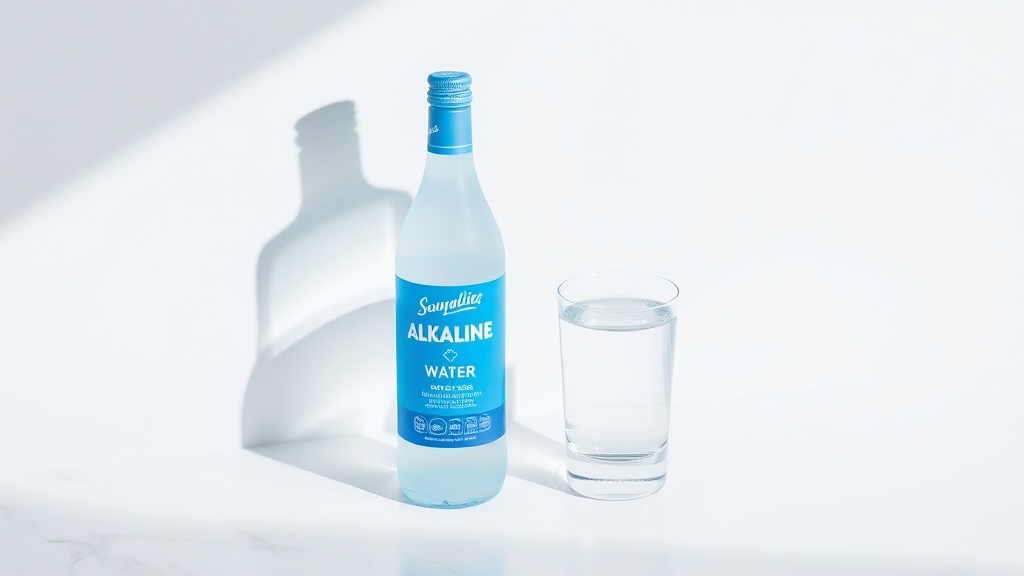
Your $4 Alkaline Water Is Tap Water With a Psychology Degree

Your $4 Alkaline Water Is Tap Water With a Psychology Degree
I keep a running tab of how much I spend on water every month. The number should bore you. It's eleven cents.
That's the actual cost of drinking eight glasses of Chicago tap water every day for 30 days. Eleven cents. The city sends me a bill and everything.
Meanwhile, the woman in front of me at Whole Foods yesterday placed four bottles of alkaline water on the belt — $3.99 each, pH 9.5, "structured for optimal cellular hydration" — and paid $17.22 after tax for something her kitchen faucet could have handled for less than a penny.
So I did what I always do. I did the math.
The Markup Is Not a Rounding Error
Let's lay this out simply:
- Chicago tap water: roughly $0.004 per gallon. Not four cents. Four-tenths of one cent.
- Standard bottled water (Dasani, Aquafina): approximately $12.00 per gallon when bought by the 20-oz bottle.
- Premium alkaline water (Essentia, Flow, Waiakea): $16–$24 per gallon depending on the brand and bottle size.
- Hydrogen-infused water (HFactor, Dr. Perricone): $28–$48 per gallon.
That means your "premium hydration" costs somewhere between 4,000x and 12,000x more than the water already piped into your home. I have worked in retail. I have seen markup. I have never seen markup like this.
What "Alkaline" Actually Means (and Doesn't)
Here is the entire scientific case for alkaline water, condensed: your body maintains blood pH between 7.35 and 7.45 regardless of what you drink. Your stomach acid sits around pH 1.5 to 3.5. Any alkaline water you swallow gets neutralized before it reaches your bloodstream.
This is not controversial. This is high school chemistry.
The Mayo Clinic's position: "For most people, plain water is best." The Cleveland Clinic's position: "There's no evidence alkaline water provides benefits beyond normal hydration." The WHO's position: they don't even mention alkaline water in their drinking water guidelines because the claim doesn't rise to the level of requiring a rebuttal.
But the bottles say "pH 9.5+" in big numbers and your brain reads "higher number = better" because that's how we've been trained to shop. More megapixels. Higher thread count. Bigger pH. It's the same trick every time.
The Hydrogen Water Sequel Is Even Wilder
Just when alkaline water started losing its novelty, hydrogen water showed up — water with extra dissolved hydrogen gas. The pitch: antioxidant properties, reduced inflammation, better athletic recovery.
The reality: most studies cited by hydrogen water brands were conducted on rats, used hydrogen concentrations far higher than any bottled product delivers, or had sample sizes so small they wouldn't pass a freshman statistics class. A 2024 review in the Journal of Clinical Biochemistry and Nutrition found "insufficient evidence to recommend hydrogen-rich water for general health benefits."
But HFactor will happily sell you a pouch of it for $3.50. That's roughly $35 per gallon for water with a gas that dissipates the moment you open the container.
You're paying Champagne prices for flat water that briefly had bubbles of a different gas.
The Real Product Being Sold
Premium water brands aren't selling hydration. They're selling the feeling of making a sophisticated health choice. The matte packaging. The mountain on the label. The word "pure" in a font that costs more than the water inside.
This is what I call The Wellness Premium — the extra money you pay not for a better product, but for the anxiety relief of thinking you bought a better product. It's the same mechanism behind $85 retinol serums with unmeasured concentrations and $165 ceramic pans marketed on fear.
The water aisle is just the most transparent version of the con because the competing product is literally free from your tap.
What Actually Makes Sense
If your tap water tastes off or you're concerned about contaminants (reasonable in some municipalities), here's the actual math:
- A Brita pitcher filter: ~$30 upfront, $7 per replacement filter every 2 months. Annual cost: roughly $72. Removes chlorine taste, some heavy metals, and common contaminants.
- An under-sink reverse osmosis system: ~$150–$300 upfront, $30–$60/year in filter replacements. Removes virtually everything. Pays for itself vs. bottled water in about 3 weeks.
- A year of premium alkaline water at one bottle per day: $1,460.
You could buy the best home filtration system on the market, a reusable bottle you actually like, and a year of sparkling water for celebrations — and still spend less than six months of alkaline water bottles.
The Verdict
Premium water is a $350 billion global industry built on a simple insight: people will pay extraordinary markups for a commodity if you give it a story. Alkaline, hydrogen, structured, mineral-enhanced, spring-sourced, glacier-fed — these are adjectives doing the work of a product that doesn't exist.
Your tap water is tested more frequently than any bottled water brand (EPA mandates continuous monitoring; the FDA checks bottled water plants roughly once every 3–4 years). Your tap water is cheaper by a factor of thousands. Your tap water does not come in single-use plastic.
The only premium in premium water is the price.
Drink your tap water. Buy a filter if you want. Stop subsidizing someone else's marketing department with your hydration budget.