Why You Should Shop the Grocery Store Perimeter

Quick Tip
Focus your shopping trip on the outer edges of the store to find the most nutrient-dense and fresh items.
The Perimeter Myth: Why the Middle Aisles are Costing You
Most shoppers believe that the center aisles of a grocery store are where the "deals" live, but the math tells a different story. While the bright packaging in the middle aisles screams "value," these sections are actually high-margin zones filled with ultra-processed goods, heavy additives, and significant markups. If you want to maximize your grocery budget and avoid the "aesthetic debt" of a pantry full of expensive, low-nutrient snacks, you need to focus your energy on the outer edges of the store.
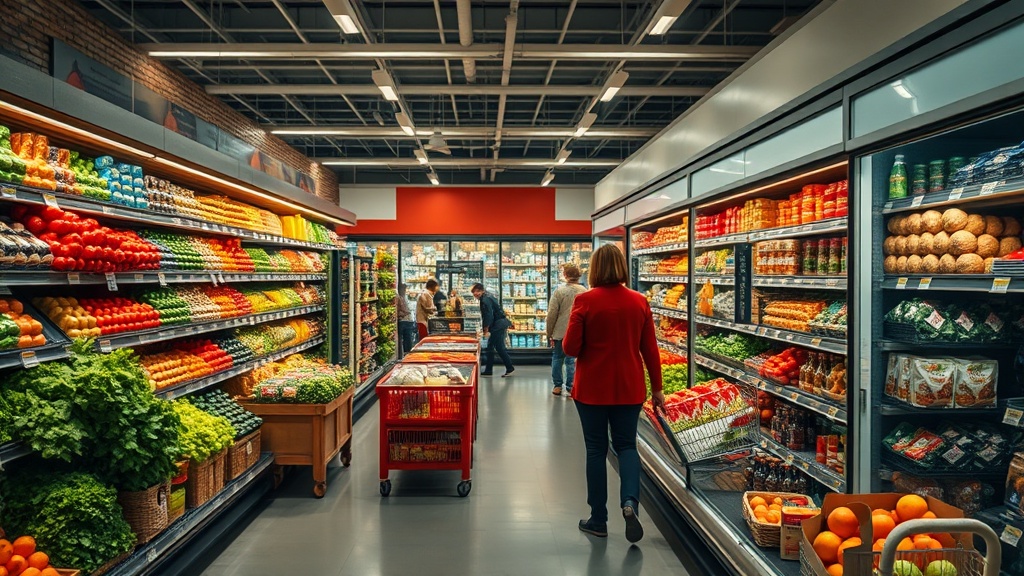
The perimeter of the store—where you find the produce, meat, dairy, and seafood—is where the actual raw ingredients live. These items typically have a lower cost-per-serving because you aren't paying for the extensive processing, specialized packaging, and marketing blitzes required for shelf-stable goods. When you shop the perimeter, you are buying ingredients rather than pre-packaged "solutions," which is the fastest way to lower your weekly grocery bill.
How to Execute a Perimeter Strategy
To shop effectively without getting lost in the high-markup center aisles, follow these three tactical steps:
- Prioritize Seasonal Produce: Instead of reaching for out-of-season berries that have been shipped across the country (and priced accordingly), check the local seasonal arrivals. At stores like Jewel-Osco or Mariano's, seasonal vegetables like squash in the fall or leafy greens in the spring are significantly cheaper and more nutrient-dense.
- Buy Whole Proteins: A pre-sliced, "ready-to-cook" chicken breast carries a massive convenience markup. Buy the whole chicken or the larger family pack of thighs and portion them out yourself. You are paying for the labor of the butcher when you buy the pre-cut version.
- Watch the Unit Price: Even in the perimeter, brands will try to trick you with "value sizes" that aren't actually a deal. Always check the unit price label on items like large tubs of Greek yogurt or blocks of cheese to ensure the bulk option is actually saving you money per ounce.
The Hidden Cost of Convenience
The center aisles are designed to trigger impulse buys through visual cues. A box of organic granola might look like a "healthy" choice, but once you break down the price per gram, it is often significantly more expensive than buying a large bag of oats and adding your own fruit and nuts. By sticking to the perimeter, you bypass the psychological traps of the middle aisles and focus on building a pantry based on real food rather than clever marketing. This approach ensures your grocery budget goes toward sustenance rather than the inflated costs of processed convenience.