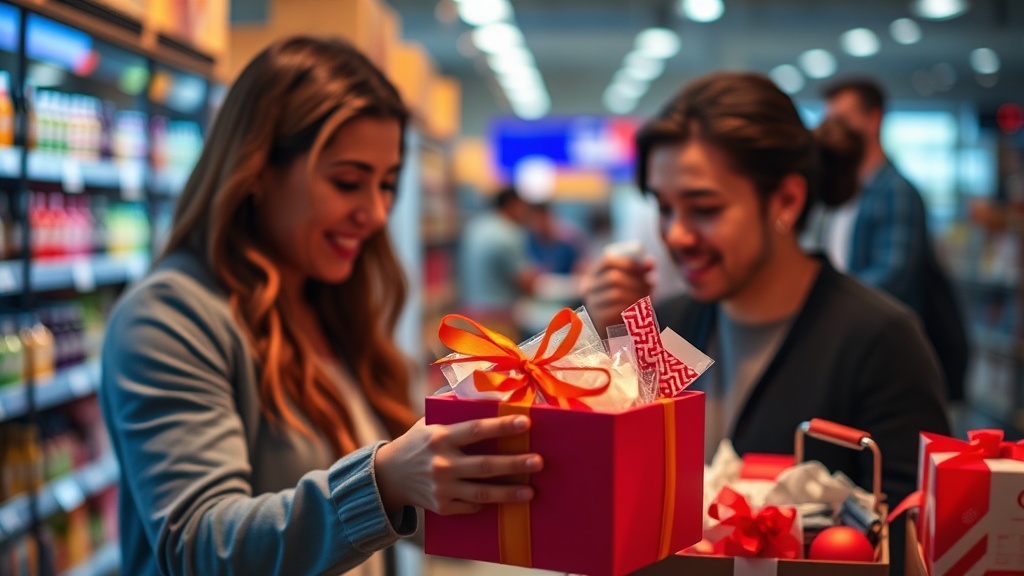
The Truth About 'Free' Samples: Why Brands Want You to Think You're Getting a Gift

The High Cost of a 'Free' Sample
You're scrolling through a beauty site or a high-end supplement landing page when a pop-up appears: "Get a free sample with your first order!" It feels like a win. It feels like a gift from a brand that wants to get to know you. But before you reach for your credit card, let's look at the math. Most of these "freebies" aren't acts of generosity; they're calculated customer acquisition strategies designed to bypass your skepticism and get your shipping address—and your payment info—into their database.
In the retail world, a free sample is often a Trojan horse. By offering a tiny, low-cost item, companies can justify shipping and handling fees or, more commonly, hook you into a recurring subscription model. You think you're testing a single bottle of serum, but the fine print often hides a "trial" that converts into a full-priced monthly delivery unless you jump through several hoops to cancel. It's a way to turn a one-time curiosity into a predictable revenue stream before you've even realized the product is actually mediocre.
Is a Free Sample Actually Worth Your Time?
To determine if a freebie is a deal or a trap, you have to look at the friction. If a brand requires you to pay for shipping (the classic "just pay shipping and handling" tactic), you aren't getting a free sample. You're paying for the privilege of being marketed to. Most of the time, that "shipping fee" is actually the full retail price of the product itself. This is a classic psychological trick to make the consumer feel like they've won a prize while the company covers its costs through your "shipping" payment.
I've seen countless beauty and wellness brands use this to inflate their perceived value. They'll send a tiny 2ml vial that costs them pennies to produce, but they'll frame it as a "Limited Edition Luxury Experience." If you're looking for real value, look for brands that offer genuine samples through established retailers like Sephora or Ulta, where the samples are often part of a legitimate reward program rather than a data-mining scheme. A true deal doesn't require you to sign up for a recurring charge or hand over your social media credentials.
| Type of "Freebie" | The Real Catch | The Verdict |
|---|---|---|
| "Just Pay Shipping" | You're paying the product price | Avoid | way
| "Trial" Samples | Automatic subscriptions hidden in fine print | Read the fine print |
| Reward Program Points | Requires heavy spending first | Wait for actual sales |
How to Spot a Subscription Trap in Disguise
The most dangerous version of the free sample is the one that requires a credit card up front for a "trial period." This is a hallmark of the subscription economy. A brand might offer a "free 7-day trial" of a vitamin gummy or a skincare routine. The goal isn't to let you try the product; the goal is to get your credit card on file. Once those seven days pass, you are automatically billed for a full-priced monthly shipment. Unless you have a calendar alert set for day six, you're essentially paying for a month of a product you might not even like.
If a site asks for your CVV code for a "free" item, run. There is almost no reason a legitimate brand needs your full credit card details to send a sample unless they intend to charge you later. This is how "aesthetic debt" starts—small, seemingly insignificant charges that build up because you forgot to cancel a "free" trial. Always check the Terms and Conditions (even if they are a wall of text) for words like "auto-renew," "subscription," or "enrollment."
Why Brands Use Data-Driven Freebies
Even if there isn't a hidden subscription, there is a different kind of cost: your data. In the modern retail landscape, your email address, your shopping preferences, and your demographic profile are incredibly valuable. When a brand offers a "free" gift in exchange for a quiz or a sign-up, they are building a profile of you. This data is used to target you with highly specific, high-pressure ads that make you feel like a product is a "must-have" rather than a "nice-to-have."
This isn't just about one transaction; it's about the long-term customer lifetime value (CLV). A brand will lose money on your first "free" sample to ensure they can market to you for the next three years. They want to move you from a skeptical observer to a loyalist. By understanding this, you can treat these offers with the skepticism they deserve. If a deal feels too good to be true, it's likely because the real product being sold is your attention and your future spending power.
How to Find Real Freebies Without the Headache
If you actually want to try products without spending a dime, look toward legitimate, high-volume retailers rather than niche Instagram-advertised brands. Large-scale retailers often have robust loyalty programs where points can be exchanged for actual products, or they offer samples as part of a physical purchase rather than a standalone digital "trap." This ensures the sample is a bonus, not the primary goal of the transaction.
Keep an eye on major retailers and look for "Gift with Purchase" (GWP) events. These are much more transparent. A GWP is usually a reward for spending a certain amount, which is a much more honest exchange than the "pay shipping for a free sample" nonsense. If you're looking for genuine deals, focus on the unit price and the actual cost of ownership. A free sample is only a deal if it doesn't come with a hidden bill or a data-mining prerequisite. Stay sharp, watch the fine print, and remember: if it's free, you're often the one being sold.