The $79 Air Fryer Basket Bundle Is a Marketing Tax, Not a Crisping Upgrade

The $79 Air Fryer Basket Bundle Is a Marketing Tax, Not a Crisping Upgrade
I keep an old grocery price tag on my fridge with a new message in red marker: “Accessory price is never neutral.”
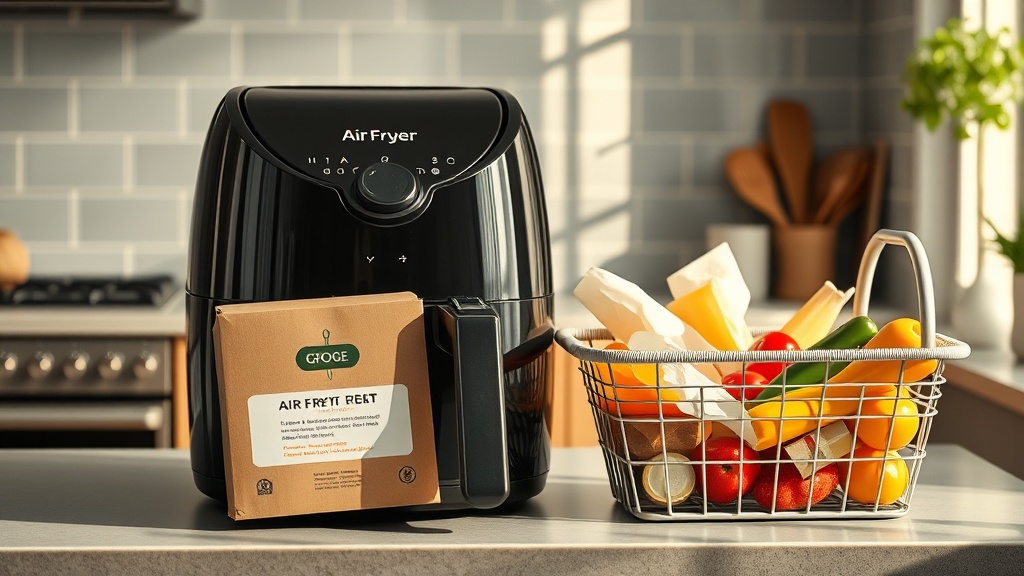
Last week I picked up what looked like a brilliant kitchen fix: a premium air fryer basket combo from a lifestyle brand, $79 for a stainless insert, removable liner, and a “professional heat guide.” My cart felt like a purchase from the same nervous person who buys seven cleaning products because one must be the real deep-cleaner.
It arrived, I installed it, and it worked exactly like the $29 basket I already had at home.
Then I did the math.
The Product Tax in a Pretty Box
This is what the product page promised:
- “Temperature-optimized airflow design”
- “Dual-material layering for cleaner results”
- “Premium matte finish to avoid over-browning”
- “Hand-finished basket for professional consistency”
What I got:
- A different-shaped basket with a branded sticker
- A silicone liner with a lot of marketing copy written in tiny print
- A fold-out card that looked expensive only because it was glossy
The food came out crisp. Not better. Just crisp.
Now, the difference between a $79 bundle and a plain $29 replacement basket is usually not the food outcome. It is this:
1) Materials are often identical, names are inflated
At this tier, the actual basket metal and coil geometry are almost always sourced from the same contract manufacturing networks. The branded version tends to tweak:
- outer finish color
- engraving / logo
- included packaging size
- printed insert (very often generic language)
None of those changes improves heat transfer the way people want you to think.
And when “airflow optimization” appears in copy, it usually means one of two things:
- the same hole pattern in a slightly different CAD file
- a minor rim adjustment that helps with basket stacking
Both can be useful. Neither justifies a 170% markup.
2) The real cost curve looks boring, not premium
I stopped believing this category until I pulled one old sourcing sheet for a different cooking accessory line. It showed these rough numbers (and this pattern matches most air fryer peripherals):
- Raw metal stamping or laser-cut basket blank: $4–$8
- Heat-resistant coating / liner material: $1.50–$4
- Assembly and quality control: $1–$3
- Packaging and pick/pack: $2–$5
- Basic freight into North America: $3–$7
Add that up: $11.50–$27 in realistic landed cost bands depending on size and volume.
The remaining $50+ is usually:
- ad spend paid by your attention window
- influencer clips you can forward-flash to your future self as proof of worth
- agency retention money hidden behind “launch” language
- a margin buffer wide enough for two sales cycles and one discount.
I’m not saying there isn’t a better basket out there. I’m saying there is almost always a much better price point if you strip away the prestige shell and buy function-first.
3) The “starter bundle” trap is the same old game
You buy a basket and liner because the page says “for best results.”
But most of those bundles are designed so you start by buying the bundle and keep buying replacement linings, cleaning sprays, and replacement baskets.
The upsell path is usually:
- Buy the “starter” basket as your first step.
- Discover a “pro” replacement liner.
- Add a cleaning kit to preserve your premium finish.
- Replace it again “after 90 days” when texture no longer matches the brand’s promise video.
That is the subscription logic of appliance accessories. Same story as skincare, only in aluminum and polyester mesh.
The giveaway test (before checkout)
Before you click “Buy now” on any appliance add-on, run this 60-second test:
A) Match three specs, not adjectives
If the only big difference is adjectives like “professional,” “premium,” or “airflow-engineered,” pause.
You want exact specs:
- Basket width and inner diameter
- Maximum heat rating
- Hook-and-loop or spring-lock compatibility for your model
- Removable component count
- Dishwasher-safe parts that your machine actually tolerates
B) Compare one plain replacement against the claimed feature
If the brand claims “better circulation,” compare to a non-premium part in same model class.
You should be able to hold both items in your hand and see the same geometry pattern logic. If you can’t, great if they’re different. If they are, ask why it costs triple.
C) Ask the one question that ruins ads
“Show me exactly which component is unique and what it costs.”
If the answer is vague (“proprietary blend,” “special coating,” “engineered pattern”), budget has already been turned into a belief problem.
No brand should make you trust a price premium without a visible bill-of-materials reason.
How I priced the same basket correctly
After the “math reveal,” I did this:
- Bought a single-compatible basket from a kitchen supply seller ($24)
- Paired it with a neutral food-grade liner from a general cookware store ($8)
- Used the money I saved for one extra bag of frozen vegetables and a backup olive oil bottle I was already planning to buy
Food outcome: identical for fries, chicken bites, and roasted chickpeas.
What does justify premium pricing?
Let’s be fair. You should pay extra when a product has genuine engineering or material differences:
- proven non-reactive surface treatment for high-acidity foods
- better thermal mass that reduces hot spots
- tighter fit tolerances for your exact model line
- verified warranty that actually handles defects fast
- documented heavy-use lifespan, not a vague “professional quality” claim
If all you get is a new logo and a prettier manual, that’s not premium.
Buy Rules for the overnight impulse to upgrade
If the page hits your screen after midnight, apply these in order:
Open one review that mentions failure, not aesthetics. “Looks clean” is not evidence. “Cracked at the rim” is useful.
Find the same SKU in two different stores. If the difference is more than 30% for identical specs, the extra spend is a branding premium, not engineering.
Never pay for a “bundle” unless one accessory is required. If the basket works and the only missing piece is convenience, convenience is worth less than a half-dozen groceries.
Treat any “pro” tier as a subscription bait test. If the brand sends a second-tier upgrade email within 14 days, that tier is part of the product plan.
The bigger trap: fear of underperforming cooking
This category preys on a real fear: “I’m making food and getting the same old bad results, so I’ll buy the pro bundle.”
Fear is a great trigger for sales funnels because it feels rational.
Most of the time the real issue is not hardware:
- preheat too short
- frozen food not thawed enough
- crowding in basket
- using too cold a fat for a hot oil mimic
- stale oil in the pan before transfer
You can fix those variables for zero dollars.
The promise vs reality checkpoint
I titled this post like a warning because this is not a moral lecture about minimalism. It’s simple arithmetic.
The bargain version and the premium bundle both roast your dinner. The difference is your bank balance.
If your upgrade promise sounds like “more prestige for less thought,” you are not buying better cooking tools.
You’re paying a marketing tax.
The math, now
If your old basket was $29 and the premium bundle is $79, that is a $50 delta.
If the brand claims it saves you $20 worth of time and 10% of your food waste over a year, at that pace you need repeated measurable outcomes over the full two years to justify the gap.
Most buyers won’t track those outcomes. They track receipts and social posts.
You can do better: track taste first, then total cost per meal after 30 use cycles. If those numbers move by less than 5%, you bought a logo.
If you still want one, buy the honest version
I’m not anti-upgrade. I bought a premium item once this month and kept it: a stainless set that actually had a different basket wall profile and better edge durability. It improved my usage because I’m using it every night.
That was worth the premium because the engineering claim stood up under repeated tests. My old one warped at the rim after long high-temp runs, the new one didn’t.
There is a difference between honest premium and premium theater.
The trick is knowing which one is in front of you before checkout.
Keep or toss
Keep: Air fryer baskets with transparent specs, model-specific compatibility charts, and a clear durability claim.
Toss: “Pro bundles” that bundle a basket with accessories whose only superpower is expensive packaging language.
I’m still skeptical. I’ll keep that filter sharp.