Stop Paying for Packaging: The One Rule That Will Save You Hundreds Every Year

Quick Tip
If you wouldn’t pay the same price for the product in a plain container, you’re paying an aesthetic tax.
The Verdict: If the packaging is doing more work than the product, you’re paying for a photoshoot—not performance. Start shopping like you can see through the box (because you can), and you’ll save hundreds a year without downgrading your life.
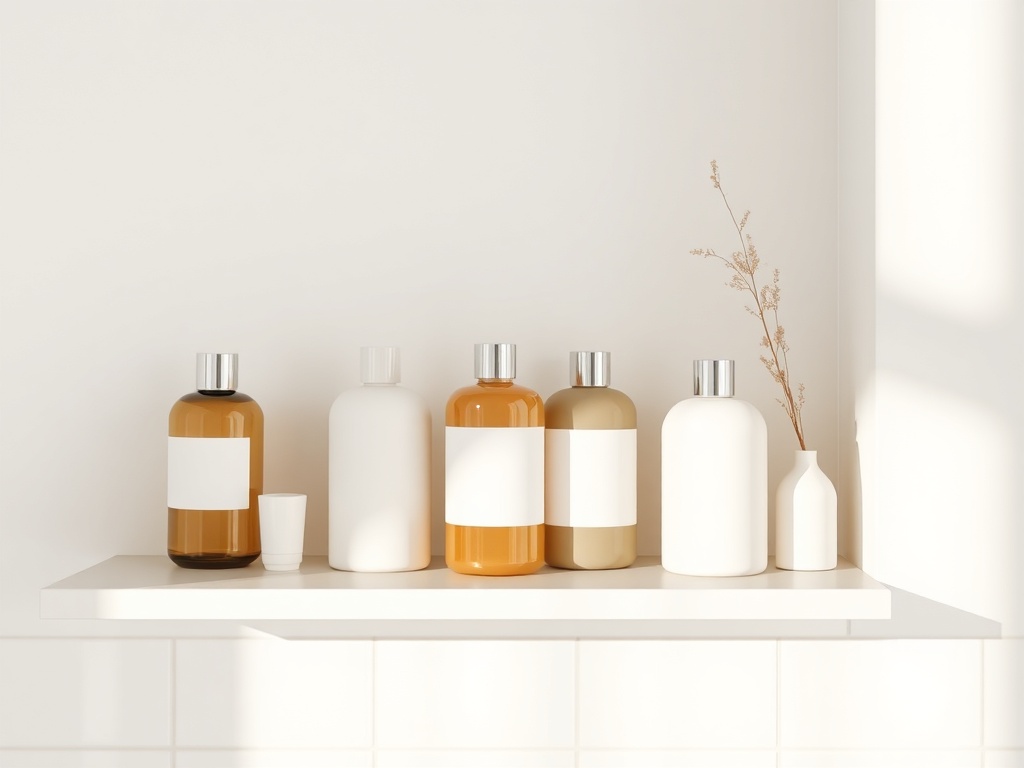
There’s a very specific kind of product that looks incredible on your shelf… and quietly drains your bank account. Matte bottles. Minimalist fonts. That "expensive but chill" energy. You know exactly what I’m talking about.
I’ve bought these with my own human money. I’ve also watched them get sourced for $2.10 and sold for $38. Let’s fix that.
The Only Rule You Need (Write This Down)
If you remember nothing else from this post, remember this:
If you stripped the product of its branding and poured it into a generic container, would you still pay the same price?
If the answer is no, congratulations—you’ve found an Aesthetic Tax.
This rule works across everything: skincare, pantry staples, candles, cleaning supplies, even basic clothing. The branding is often the most expensive ingredient. (Yes, really.)
Let’s Look at The Math
Here’s how a very normal "nice" product breaks down:
- Raw product: $2–$6
- Packaging (custom bottle, label, box): $3–$8
- Marketing (ads, influencers, branding): $10–$20
- Retail markup: 2x–4x
That $36 "clean girl" hand soap? The actual soap inside is maybe $4. The rest is vibes.
And look—I respect a good bottle. I love glass. But if you’re rebuying the same expensive product over and over just to maintain the aesthetic, you’re renting your lifestyle.
Where This Hits Hardest (a.k.a. Where You’re Getting Played)
1. Skincare
If fragrance is one of the top ingredients and the bottle looks like it belongs in a museum, the brand is selling you an experience—not results.
The math here is brutal. You’re often paying 70%+ for packaging and marketing.
2. Candles
$48 candles in beautiful jars? Usually paraffin wax (the cheapest option) with synthetic fragrance oils.
The jar is the product. The wax is an afterthought.
3. Pantry "Upgrades"
Olive oil, spices, matcha—anything rebranded as "elevated" is a prime suspect.
Same suppliers, different label, 5x price.
4. Cleaning Products
Clear bottles, chic labels, soft colors. Inside? Slightly fragranced soap.
Nothing wrong with that—until it costs triple.
How to Actually Shop Smarter (Without Living Like a Minimalist Monk)
I’m not telling you to live off generic everything. I’m telling you to separate what you see from what you refill.
Step 1: Buy the Nice Container Once
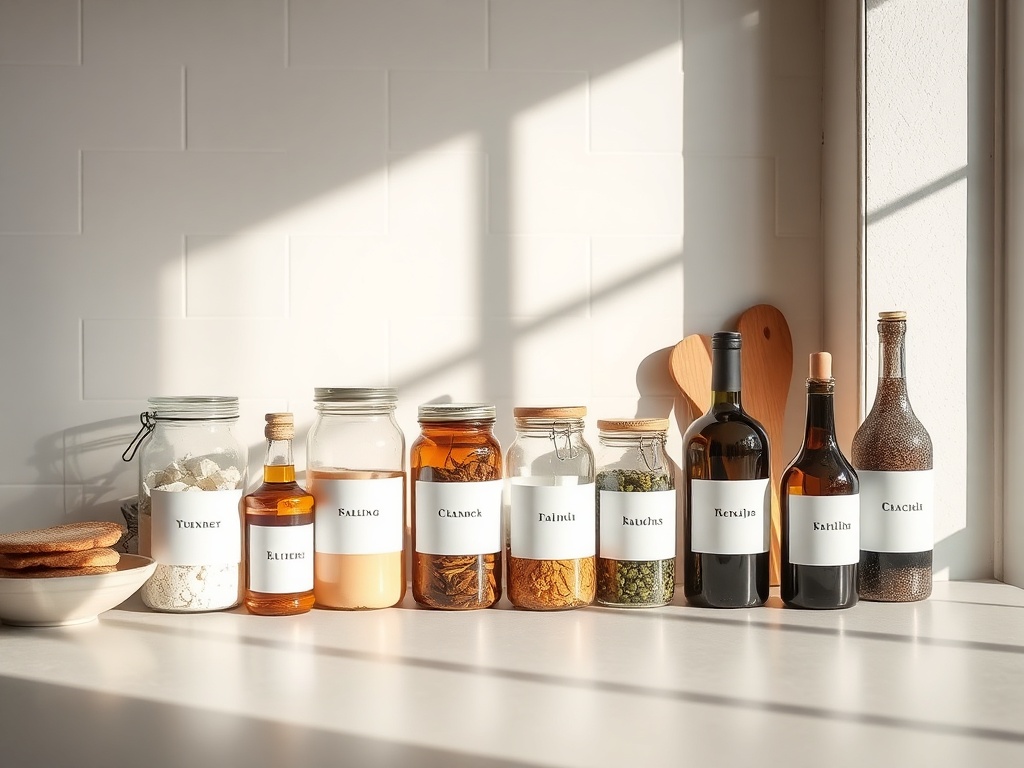
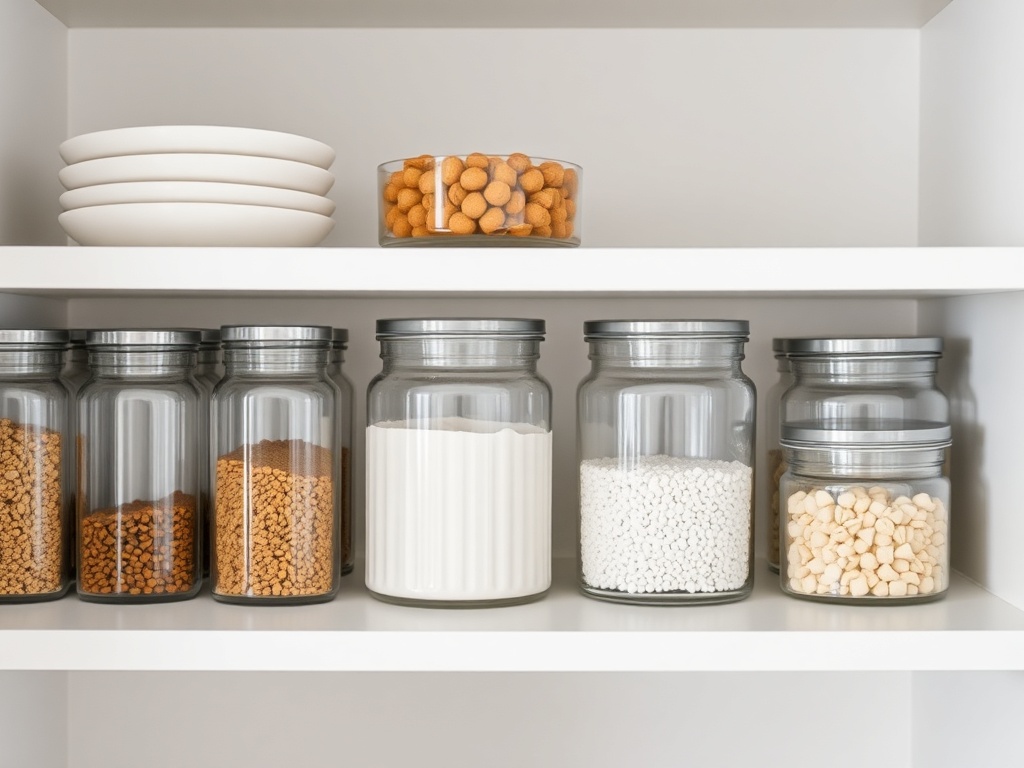
Find a glass bottle, dispenser, or jar you actually like. Pay for the aesthetic once.
Step 2: Refill With the Boring Version
Bulk, unbranded, or store-brand refills are usually made in the same facilities. You’re skipping the marketing tax.
Step 3: Ignore Branding Language
"Clean," "non-toxic," "premium"—these words are doing a lot of unpaid labor. Look at ingredients and materials instead.
Step 4: Check Unit Pricing (Always)
This is where brands get caught. The prettier option is almost always worse value per ounce or gram.
The Quiet Flex Nobody Talks About
People think luxury is buying the expensive version every time.
Actual luxury is knowing when not to.
It’s having a $12 refill inside a $30 bottle and letting everyone assume you paid $30 again. It’s understanding the system well enough to opt out of the parts that don’t serve you.
That’s the game.
What This Saves You (Realistically)
Let’s say you swap just five categories:
- Hand soap
- Body wash
- Cleaning spray
- Candles
- Pantry staples
Average savings per item per year: $20–$80.
Total: $150–$400 annually.
That’s not budgeting. That’s just not overpaying.
Keep or Toss
Keep: Products where the material, formula, or performance justifies the cost.
Toss: Anything where the packaging is the main event.
If it looks better than it performs, it’s not a FreshFind. It’s a prop.
And you don’t need to finance a prop. (lol)