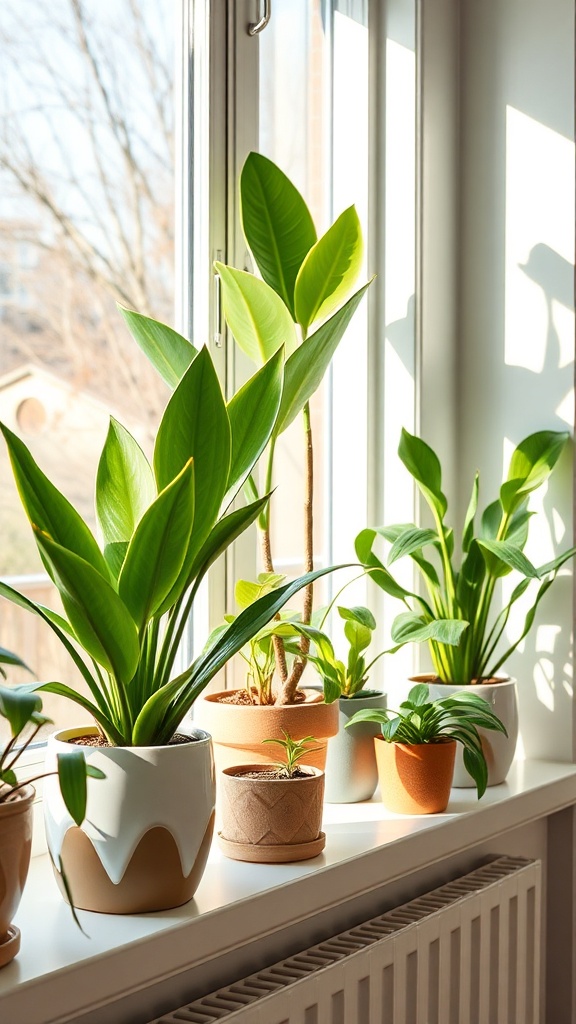
Spring Refresh: 5 Low‑Maintenance Indoor Plants for Cleaner Air

Why bother with indoor plants this spring?
Because the spring refresh isn’t just about swapping out throw pillows – it’s about giving your space a little breathing room. I’ve seen too many “aesthetic traps” where people buy a pricey fiddle‑leaf fig that dies faster than a trend. Let’s cut the hype and focus on plants that actually survive your busy schedule and, bonus, scrub the air while they’re at it.
What makes a plant “low‑maintenance”?
In my world of retail‑grade skepticism, I break it down to three hard‑won criteria:
- Water tolerance – can go weeks between drinks.
- Light flexibility – happy in low‑light corners.
- Resilience to neglect – won’t throw a tantrum if you forget to dust its leaves.
If it checks all three, it earns a spot on the list.
Which indoor plants actually improve air quality?
Back in 1989 the NASA Clean Air Study found that certain houseplants can remove volatile organic compounds (VOCs) like formaldehyde and benzene from indoor air. Read the original NASA report for the science. Modern follow‑ups from the American Horticultural Society confirm that a handful of hardy species still top the list.
5 Low‑Maintenance Indoor Plants That Actually Clean Your Air
-
Snake Plant (Sansevieria trifasciata)
This tough‑as‑nails succulent tolerates neglect, thrives in low light, and pumps out oxygen at night – perfect for a bedroom. It’s also pet‑safe, which matters if you’ve got a curious cat.
Care tip: Water once every 3‑4 weeks; let the soil dry completely.
ZZ Plant (Zamioculcas zamiifolia)
Glossy, waxy leaves that love low‑light corners. The ZZ plant is a VOC‑buster for formaldehyde and xylene. It’s practically indestructible.
Care tip: Sprinkle water every 2‑3 weeks; over‑watering is the only thing that can kill it.
Pothos (Epipremnum aureum)
Trailing vines that purify benzene, formaldehyde, and toluene. They’ll grow in a hanging basket or cascade off a bookshelf. Just keep them out of reach of pets – they’re toxic if chewed.
Care tip: Mist occasionally or water when the top inch of soil feels dry.
Spider Plant (Chlorophytum comosum)
Known for its air‑cleaning prowess against formaldehyde and xylene, the spider plant tolerates occasional neglect and produces cute “babies” you can pot up for free.
Care tip: Water once a week; they love bright, indirect light.
Peace Lily (Spathiphyllum)
Elegant white blooms that double‑down on VOC removal, especially ammonia. It prefers a bit more moisture, but it’ll forgive a missed watering.
Care tip: Keep soil lightly moist and give it a weekly mist; watch for brown leaf tips as a sign of over‑drying.
How do I set these up without turning my apartment into a greenhouse?
Here’s a no‑BS, step‑by‑step plan:
- Pick a sunny‑ish spot. Even low‑light plants need a little indirect light. A windowsill with filtered morning sun works.
- Choose the right pot. Terracotta breathes, while glazed ceramics keep moisture in. For the ZZ and Snake, go for a pot with a drainage hole.
- Use a universal potting mix. A 50/50 blend of peat‑based soil and perlite gives drainage without being too sandy.
- Set a watering schedule. I use a simple reminder app – “Water plants” every Monday and Thursday. If you’re busy, a self‑watering globe can buy you a week.
- Enjoy the air‑cleaning benefits. It takes a few weeks for measurable VOC reduction, but you’ll notice the difference in how fresh your space feels.
What about the cost?
All five plants are under $25 each at most big‑box stores. If you’re hunting deals, check out Urban Rooftop Gardens for bulk‑buy discounts, or swing by local plant swaps – a freebie that fits our no‑BS ethos.
Takeaway: A greener spring doesn’t have to be a pricey, high‑maintenance nightmare.
Pick one or two of the plants above, set them up with the simple steps, and you’ll have a low‑maintenance, air‑purifying “green corner” that survives your schedule and your cat. Your home feels fresher, your wallet stays intact, and you dodge another aesthetic trap.