
How to Spot Overpriced Products Before You Buy (The Math That Saves You Hundreds)

The Verdict: Most “premium” products aren’t premium—they’re just better at marketing. If you learn to break down the math before you hit checkout, you’ll save hundreds (sometimes thousands) a year without sacrificing quality. This is the exact system I use before I spend my own human money.
If you’ve ever bought something that felt amazing in the ad and disappointing in real life, congratulations—you’ve met markup. Let’s fix that.

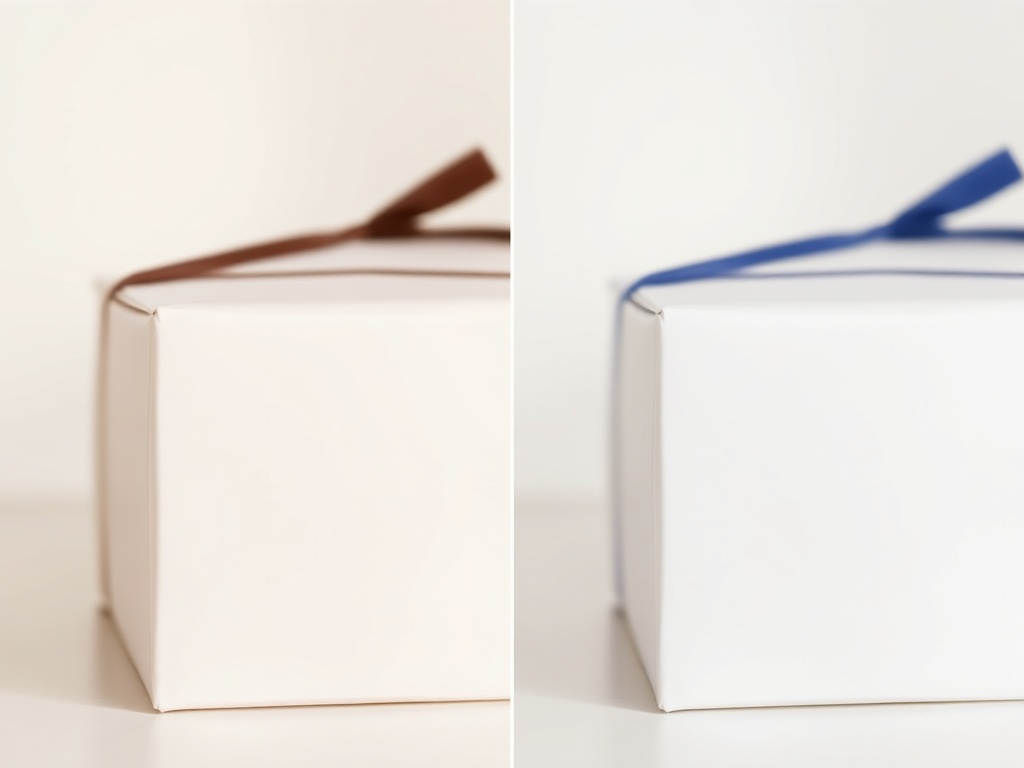
Step 1: Ignore the Branding (Yes, All of It)
First rule: branding is not quality. It’s just storytelling with a budget.
Retail markup typically breaks down like this:
- 30–50%: Marketing + branding
- 20–30%: Retail overhead
- 10–30%: Actual product cost
So when you’re looking at a $120 “luxury” candle, you’re often paying ~$80 for vibes and ~$40 for wax and fragrance (and that’s being generous).
The move: Strip the product down to its physical components. Ask: what is this actually made of?
Step 2: Check the Materials Like a Buyer Would
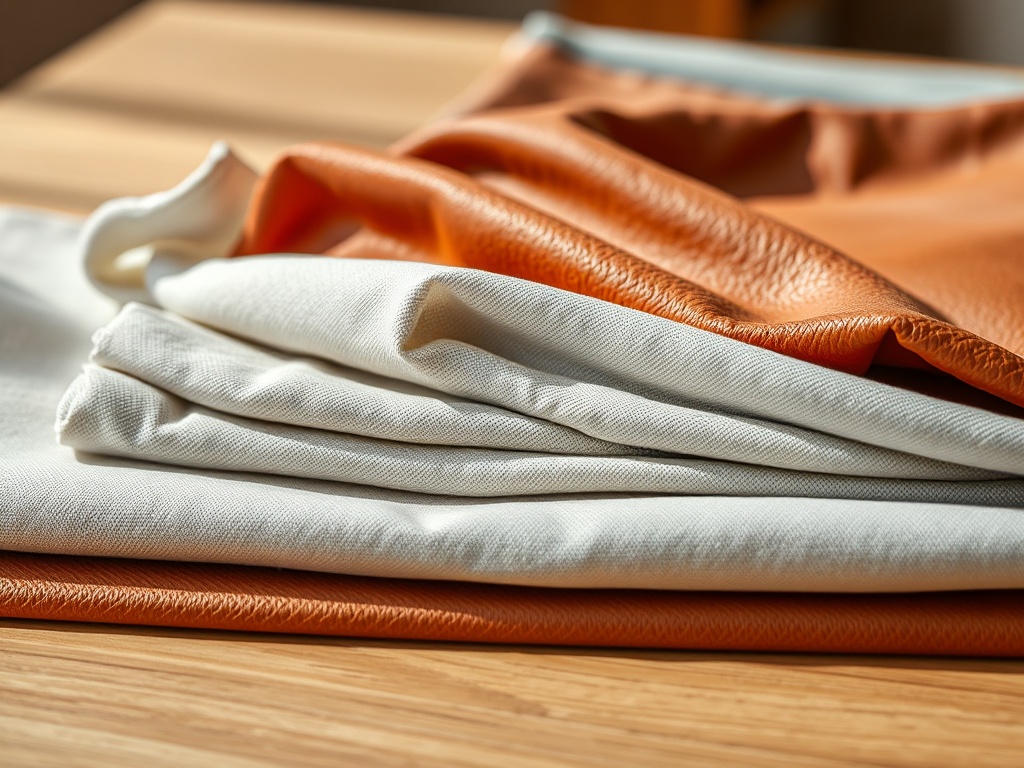
This is where most people skip—and it’s where brands make their money.
Examples:
- “Vegan leather” = plastic (polyurethane)
- “Gold plated” = microscopic layer over base metal
- “Organic cotton blend” = mostly polyester with a PR team
If you can’t find a clear materials breakdown, that’s not an accident.
The move: Google the raw material cost. Not the finished product—the input.
Example: a polyester tote that costs $60 retail likely costs $6–$12 to manufacture. The rest? Storytelling.
Step 3: Read 1-Star Reviews First (Always)
I don’t care about the glowing reviews. I care about the complaints.
You’re looking for patterns:
- “Pilled after one wash” → material quality issue
- “Zipper broke” → construction flaw
- “Not as pictured” → marketing deception
If the same issue shows up repeatedly, it’s not user error—it’s a design problem.
The move: Scan 1-star reviews for repeat language. That’s your real product description.

Step 4: Calculate Cost-Per-Use (Not Just Price)
Price means nothing without context. Cost-per-use is the only number that matters.
Here’s the formula:
Cost ÷ Number of Uses = Real Value
Example:
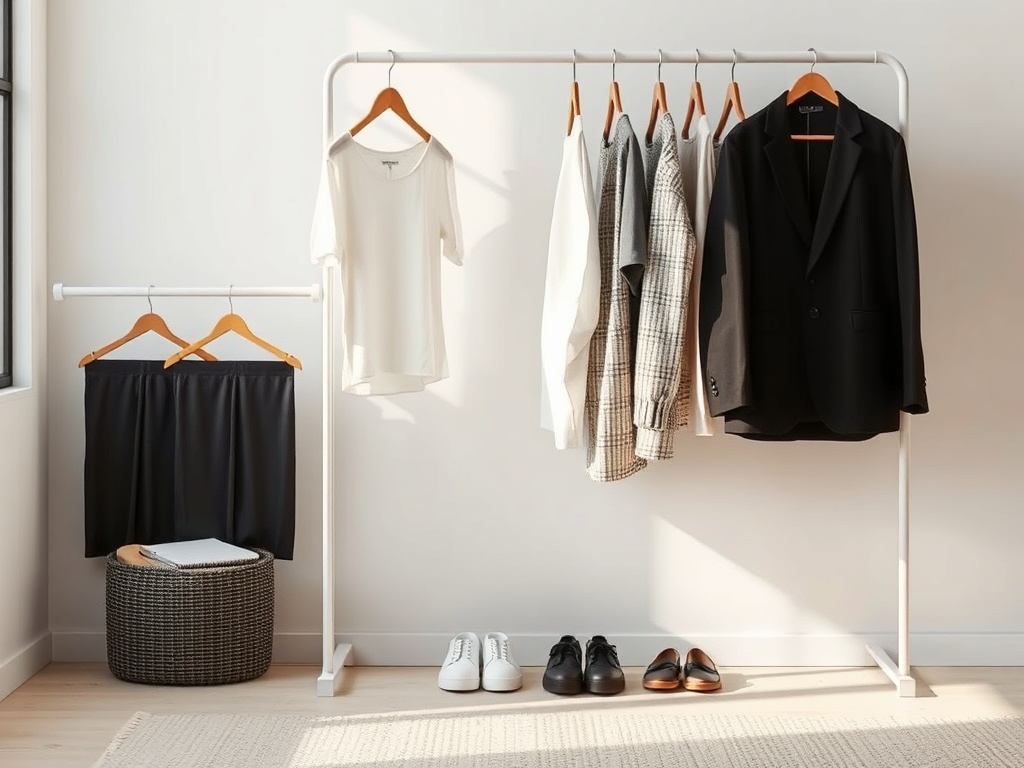
- $120 jacket worn 120 times = $1 per wear
- $60 trendy jacket worn 10 times = $6 per wear
The “cheaper” option is actually 6x more expensive. (yes, really)
Step 5: Find the Unbranded Version
This is where things get fun.
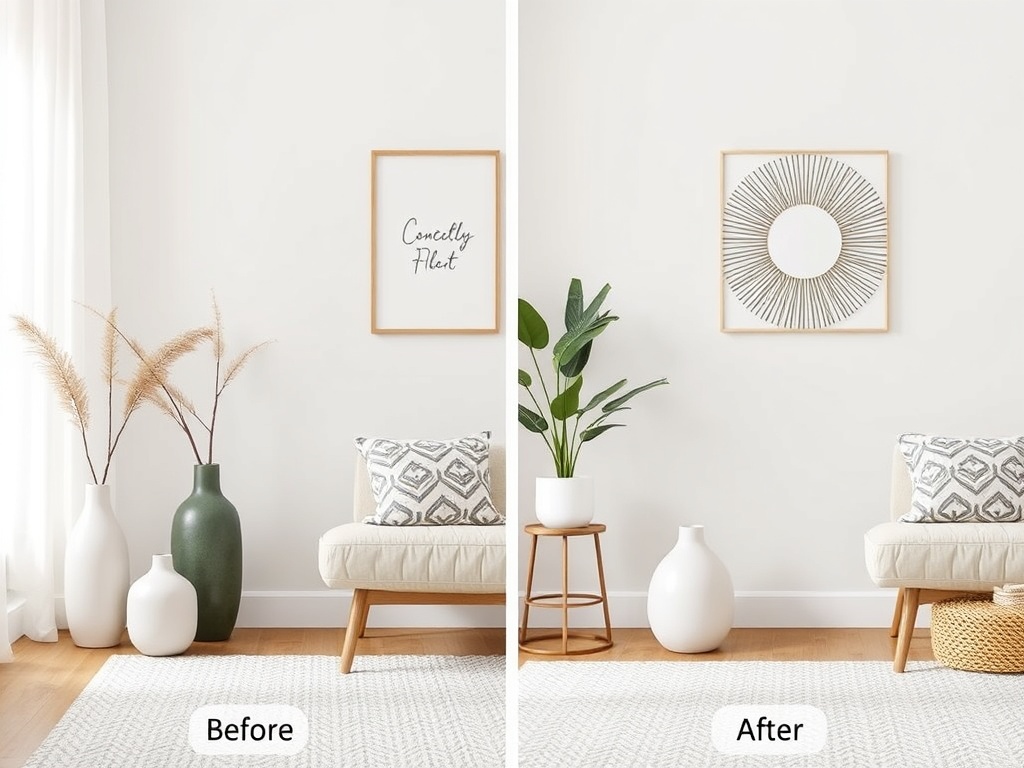
Many “premium” products come from the same factories as cheaper alternatives. The difference is branding, not manufacturing.
The move:
- Reverse image search the product
- Search generic descriptions (not brand names)
- Check wholesale marketplaces for similar specs
Example: that $80 minimalist lamp? You can usually find the same design for $25–$35 without the branding markup.
(This is the part brands hope you never figure out. lol)
Step 6: Watch for “Aesthetic Inflation”
If a product is trending on social media, the price is already inflated.
You’re paying for:
- Influencer seeding
- Ad spend
- Artificial scarcity
None of those improve the product itself.
The move: Wait 2–4 weeks. If it’s still relevant, reassess. If it disappears, you just saved yourself money.

Step 7: Do the 24-Hour Reality Check
This is the simplest filter—and the most effective.
Before buying, ask yourself:
- Would I still want this without the branding?
- Do I already own something similar?
- Will I care about this in 3 months?
If the answer isn’t a clear yes, close the tab.
Impulse purchases are where the markup wins.

The Math (What You Actually Save)
Let’s say you avoid just three overpriced purchases per year:
- $120 impulse buy → replaced with $40 equivalent
- $80 trend item → skipped entirely
- $200 “investment” piece → replaced with $90 alternative
Total saved: $270/year.
Over 5 years? That’s $1,350—without sacrificing quality.
That’s the difference between buying better things and just buying more things.

Keep or Toss
Keep: Products with transparent materials, consistent reviews, and realistic cost-per-use.
Toss: Anything relying on aesthetic hype, vague materials, or inflated pricing.
You don’t need to stop shopping. You just need to stop overpaying.
Let’s look at the math first—always.
Steps
- 1
Ignore the Branding
- 2
Check the Materials
- 3
Read 1-Star Reviews
- 4
Calculate Cost-Per-Use
- 5
Find Unbranded Alternatives
- 6
Watch for Trend Inflation
- 7
Use the 24-Hour Rule