
How to Shop Smart and Save Big: A Data-Driven Guide

Welcome to FreshFinds, where we cut through the noise to help you make smarter shopping decisions. In this post, I’ll break down how you can start saving big with some simple strategies, using data and math to your advantage.
The Verdict
We all know that feeling when you’re browsing and stumble across a shiny new item that promises to make your life better. But here’s the catch: not all deals are created equal. Some are just clever marketing tricks designed to get you to spend more than you should. The goal here is simple: stop wasting money. Let’s look at the math first.

1. Understand Price-to-Value Ratios
One of the first things to do when evaluating a deal is to calculate the price-to-value ratio. This means comparing what you’re paying to what you’re actually getting. A good rule of thumb is: if the price of an item is 5x more than its cost to produce, you’re probably being overcharged. The more transparent brands will offer this breakdown themselves—but the majority won’t. It’s your job to do the math.
2. Compare Alternatives
Always compare similar products before pulling the trigger. A $60 pair of leggings might sound like a good deal, but are they made from the same material as a $20 pair that will last just as long? Look for alternatives that offer the same functionality and durability but at a fraction of the price.

3. Avoid the Aesthetic Trap
It’s tempting to pay extra for the “cool factor” of a product. But ask yourself: will this item still look good in six months, or will it be outdated and cluttering up your closet? Shopping smart means investing in timeless pieces instead of chasing trends.
4. Use Price History Tools
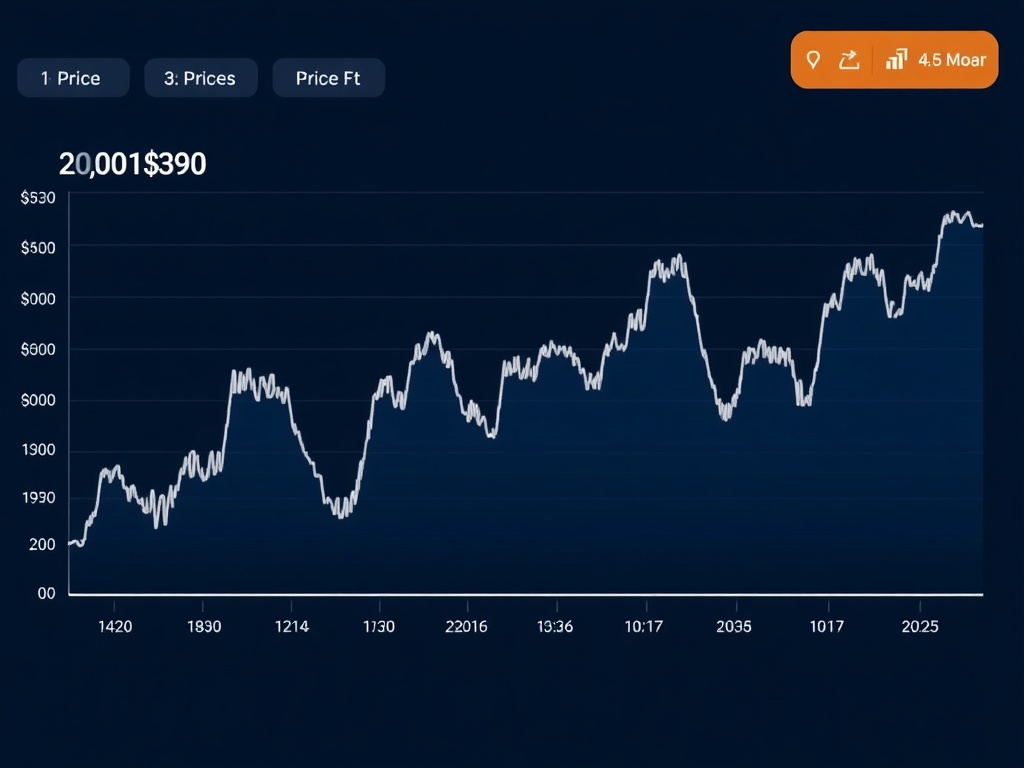
One of the most underutilized tools is price history. Websites like CamelCamelCamel (for Amazon) allow you to track price fluctuations over time. This will show you whether you’re getting a real deal or just a temporary markdown that’s still above the product’s normal price.
5. Factor in Long-Term Value
Consider how long the product will last and how often you’ll use it. A higher upfront cost might be justified if the product will save you money in the long run. Think of a pair of high-quality shoes that will last years compared to a cheaper pair that will fall apart after a season.
6. Don’t Fall for FOMO (Fear of Missing Out)
That “limited-time offer” is a classic marketing tactic to make you panic-buy. But here's the reality: if you truly need something, it’ll still be available when you’re ready. Take a deep breath, do your research, and make informed decisions instead of impulsive ones.
Let’s Look at the Math
Let’s break down a sample shopping decision to illustrate the point. Imagine you’re looking at a viral brand offering a $150 skincare product. They market it as a luxury item, but the cost to make it is only $20. That means you’re paying 7.5x more for the branding than the product itself.
Now, compare that with a similar product from a lesser-known, but still reputable, brand that costs $40. That’s a huge price difference for the same (or even better) ingredients.
Conclusion: Smart Shopping = Saving Big
By applying these strategies, you can be sure you’re not wasting money on overpriced items. Stop falling for the hype and start shopping with a clear mind. Trust me—your wallet will thank you.