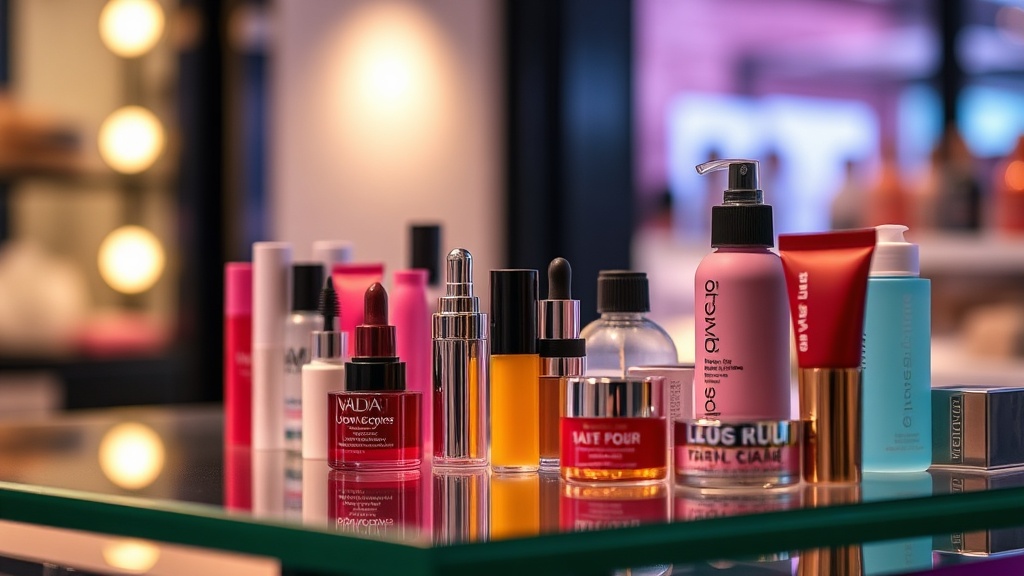
How to Score Designer Beauty Products for Less

Most consumers believe that "luxury" is a fixed price point determined by a brand's prestige, but the reality is that high-end beauty pricing is largely a psychological construct. You aren't just paying for the ingredients in a bottle of La Mer or a Chanel lipstick; you are paying for the heavy glass packaging, the celebrity endorsements, and the massive marketing overhead. This guide breaks down the specific, calculated ways to bypass the retail markup and acquire high-end cosmetics, skincare, and fragrances at a fraction of the suggested retail price without sacrificing product integrity.
The Myth of the Boutique Price Tag
The biggest misconception in the beauty industry is that the price on the shelf at a high-end department store is the "correct" price. In reality, luxury brands operate on massive margins to account for the overhead of luxury real estate and high-commission sales associates. When you buy a $75 serum at a boutique in a high-end shopping mall, you are subsidizing the rent for that building. To find actual value, you must look toward channels that prioritize inventory turnover over brand exclusivity.
To shop effectively, you have to stop looking at the brand name and start looking at the active ingredients and the distribution model. A $120 luxury moisturizer often shares the same base formula as a $30 mid-tier product, differing only in the scent profile and the weight of the jar. By understanding where the money is actually going, you can decide whether that extra $90 is worth the "experience" or if it is just aesthetic debt.
Leverage High-End Beauty Subscription Boxes
Subscription boxes are often dismissed as "junk boxes" filled with sample-sized products, but if you use them strategically, they are a goldmine for high-end testing. Instead of buying full-sized products blindly, use these services to vet the formula. Brands like Ipsy or Birchbox provide the opportunity to test a luxury foundation or a high-end serum in a controlled, low-cost way.
- The "Test Before You Invest" Method: Never buy a full-sized luxury product without testing a sample first. Use a subscription box to see how a formula interacts with your skin over a week.
- The Resale Arbitrage: Many people receive high-end products in their subscription boxes that they never use. You can often find "nearly new" or even "unopened" luxury items on resale apps like Poshmark or Depop for 50-70% off the retail price.
Master the Art of Outlet and Discount Retailers
If you want the actual product and not the marketing, you need to shop where the inventory goes to die. High-end beauty products have a finite shelf life, and retailers are desperate to move stock that is nearing its expiration or is from a previous season's packaging. This is where the real savings happen.
Targeting the Right Discount Sites
Avoid the generic "discount" sites that look suspicious. Stick to established players that have a reputation for selling authentic products. Sites like TJ Maxx, Marshalls, and Nordstrom Rack frequently stock high-end brands like Estée Lauder, Clinique, and Lancôme. The trick is to shop their online beauty sections rather than waiting to find a physical store nearby.
When shopping these outlets, always check the batch code. You can enter the code found on the bottom of the product into websites like CheckFresh to ensure the product is actually new and not a "dead" item that has been sitting in a warehouse for three years. This is the only way to ensure you aren't buying a high-end product that has already oxidized.
The Sephora and Ulta Strategy
Large beauty retailers like Sephora and Ulta have highly predictable sale cycles. Instead of buying at full price, wait for their specific promotional windows. Sephora typically has a "VIB Sale" for loyalty members twice a year, while Ulthe offers consistent "20% Off Everything" events. If you want to maximize your budget, you should stack coupons and cashback during these events to drive the price down even further.
The "Dupe" Economy: Math Over Brand
The most effective way to avoid aesthetic debt is to stop buying the brand and start buying the formula. The beauty industry relies heavily on "ingredient transparency" (or the lack thereof). When a brand launches a viral product, a more affordable version often follows within six months. This isn't a coincidence; it's a calculated part of the product lifecycle.
Example: The Luxury Serum Comparison
A high-end brand might sell a Vitamin C serum for $150. The primary active ingredient is likely L-Ascorbic Acid. A mid-tier or "drugstore" brand can produce a serum with the exact same percentage of L-Ascorbic Acid for $25. The $125 difference is the cost of the brand's marketing campaign, not the efficacy of the liquid. When shopping, look at the INCI list (the ingredient list on the back) and compare it to the luxury version. If the first five ingredients are identical, you are paying a massive premium for a label.
Utilizing Loyalty Programs and Refillable Options
Modern luxury beauty is moving toward sustainability, which is a clever way to keep you coming back to the brand. Many high-end brands, such as Chantecaille or Tata Harper, offer refillable packaging. While the initial purchase of the heavy glass jar is expensive, the "refill" component is often significantly cheaper.
The Math of Refills:
Initial Purchase (Jar + Product): $85
Refill (Product only): $55
By purchasing the initial luxury vessel once, you reduce the cost of every subsequent purchase by nearly 35%. This is a legitimate way to own luxury products without the constant high-cost cycle.
The Danger of "Flash Sales" and Social Media Ads
Be extremely wary of "too good to be true" deals on Instagram or TikTok ads. If you see an ad for a $200 SK-II facial treatment for only $39, it is a scam or a counterfeit. The beauty industry is plagued by "gray market" products—items that are either stolen, expired, or counterfeit. These products can be dangerous, as they often contain unregulated ingredients or heavy metals.
To avoid these traps, only shop through verified retailers or reputable discount aggregators. If you want to find legitimate high-end deals, you should learn the best online deals and freebies through established channels rather than clicking on unverified social media advertisements. A real deal is a discount on a known product, not a suspiciously low price on a luxury brand from an unknown website.
Final Checklist for High-End Beauty Shopping
Before you hit "checkout" on that luxury item, run it through this skeptical consumer checklist:
- Is the price realistic? If it's 70% off a luxury brand on a random website, it's a counterfeit.
- Have I checked the batch code? Ensure the product is fresh and hasn't been sitting in a warehouse for years.
- Am I paying for the glass or the formula? Check the ingredient list to see if a cheaper version offers the same active ingredients.
- Is there a refill option? If you love the brand, see if you can buy the refill to save money in the long run.
- Can I find this at an outlet? Check Nordstrom Rack or TJ Maxx before buying at full retail.
Luxury is a choice, but paying full price for a brand name is often a mathematical error. Use these strategies to ensure your beauty routine serves your skin, not just the brand's bottom line.