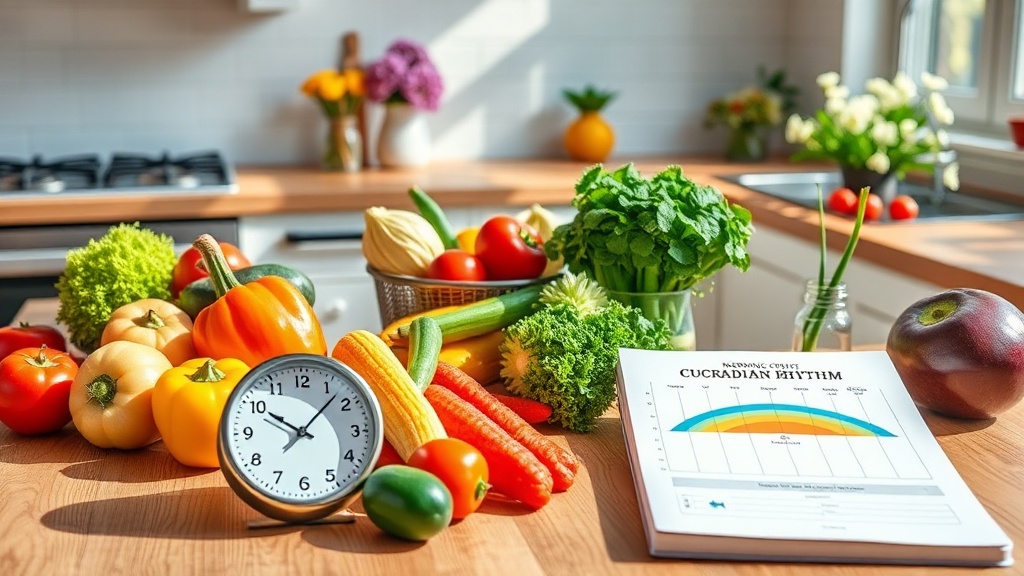
Bio‑Harmony: Spring Eating Aligned with Your Circadian Rhythm

Why does my energy dip after lunch, and can I fix it with the right timing?
Ever notice that a mid‑day slump hits you harder in spring? Bio‑Harmony isn’t a fad diet; it’s the science‑backed practice of eating in sync with your internal clock. By aligning meals with the natural peaks and troughs of your circadian rhythm, you can keep blood sugar steady, reduce inflammation, and feel more alert – exactly what you need when pollen is high and the days are getting longer.
What is a circadian rhythm, and why does it matter for food?
Our bodies run on a 24‑hour master clock located in the brain’s suprachiasmatic nucleus (SCN). This clock regulates hormone release, metabolism, and even the gut’s digestive efficiency. When you eat at times that clash with the SCN’s signals, hormones like ghrelin (hunger) and leptin (satiety) get out of whack, leading to cravings, weight gain, and higher inflammation levels.
When should I schedule my meals for optimal spring wellness?
Research from Harvard and the National Institutes of Health shows a clear pattern: early, consistent eating windows beat late‑night snacking every time. Here’s a simple timeline you can start tomorrow:
- 07:00‑09:00 – Breakfast: Light, protein‑rich foods (Greek yogurt, eggs, seasonal berries) kick‑start metabolism while your cortisol levels are naturally high.
- 12:00‑13:00 – Lunch: Aim for a balanced plate with complex carbs, lean protein, and plenty of greens. Spring veggies like asparagus and peas are perfect.
- 16:00‑17:00 – Light Snack (optional): A handful of nuts or a piece of fruit keeps blood sugar stable until dinner.
- 19:00‑20:00 – Dinner: Keep it lighter and earlier than you might be used to. Think grilled fish, roasted root vegetables, and a modest portion of whole grains.
Skipping a late‑night meal respects the body’s natural melatonin surge, helping you fall asleep faster – a bonus when allergy season makes rest precious.
How does spring affect my circadian‑nutrition strategy?
Longer daylight hours shift the SCN’s phase forward, meaning your body naturally wants to be active later. However, spring also brings a spike in pollen‑related inflammation. By eating anti‑inflammatory foods (fatty fish, turmeric, leafy greens) during your peak digestion window (mid‑morning to early afternoon), you give your gut the best chance to absorb nutrients that combat histamine spikes.
What specific foods support a spring bio‑harmony plan?
Think of your plate as a seasonal toolbox:
- Omega‑3‑rich fish (salmon, sardines) – reduces systemic inflammation.
- Fermented foods (kimchi, kefir) – supports gut microbiome, which is tightly linked to circadian regulation (McHill et al., 2024).
- Bright‑colored vegetables (radishes, carrots, snap peas) – packed with antioxidants that counteract spring oxidative stress.
- Complex carbs (quinoa, oats) – provide steady glucose without the crash.
- Herbal teas (ginger, peppermint) – aid digestion and can calm allergy‑related irritation.
Can I still enjoy my favorite treats without breaking bio‑harmony?
Absolutely. The trick is timing. Save indulgent desserts for after your early dinner window, ideally before 20:00, and keep portions modest. Your body’s insulin sensitivity is highest in the morning and early afternoon, so a small sweet snack after lunch (like a dark‑chocolate‑covered strawberry) won’t spike blood sugar as badly as a midnight cookie.
What are the quick wins I can implement today?
- Set a kitchen clock that reminds you of the “eat‑by” windows.
- Prep spring veggies in bulk on Sunday so you can toss them into meals without extra cooking time.
- Swap caffeine after 2 p.m. for a green‑tea or herbal brew to avoid disrupting melatonin.
- Log your meals in a simple spreadsheet (I use the Cost‑Per‑Wear spreadsheet trick) to see patterns and adjust.
- Check the light – open curtains in the morning and dim lights after sunset to reinforce the circadian cue.
What’s the bottom line for spring?
When you sync what you eat with when your body expects to eat, you gain more consistent energy, fewer allergy flare‑ups, and a clearer mind for those spring projects. It’s the same principle behind the DST Reset post, only applied to nutrition instead of sleep.
Ready to try bio‑harmony this spring?
Start tomorrow morning: serve a protein‑rich breakfast, keep lunch colorful and balanced, and finish dinner by 20:00. Track how you feel for a week and you’ll notice the difference. Your body clock will thank you, and your wallet will too – fewer impulse snacks mean more money for the things you actually want.
Further Reading
- Bio‑Harmony Eating: Sync Your Meals with Your Body Clock in 2026 – a deeper dive into the science.
- DST Reset: Science‑Backed Tips to Align Your Circadian Rhythm – why timing matters for sleep and productivity.
- 6 Pillars of a Healthier, Age‑Defying Lifestyle in 2026 – broader wellness tips to complement your eating plan.