Amazon's Spring Sale Is Live — Here's How to Tell the Real Deals From the Manufactured Ones

Amazon's Spring Sale Is Live — Here's How to Tell the Real Deals From the Manufactured Ones
Amazon Spring Deal Days kicked off this week, and my inbox looks like a slot machine. "UP TO 70% OFF!" "LOWEST PRICE EVER!" "DEAL OF THE DAY — HURRY!" Every link promising I'm about to steal something from a trillion-dollar company.
I'm not. Neither are you. But some of these deals are genuinely worth your money — if you know how to separate the math from the marketing.
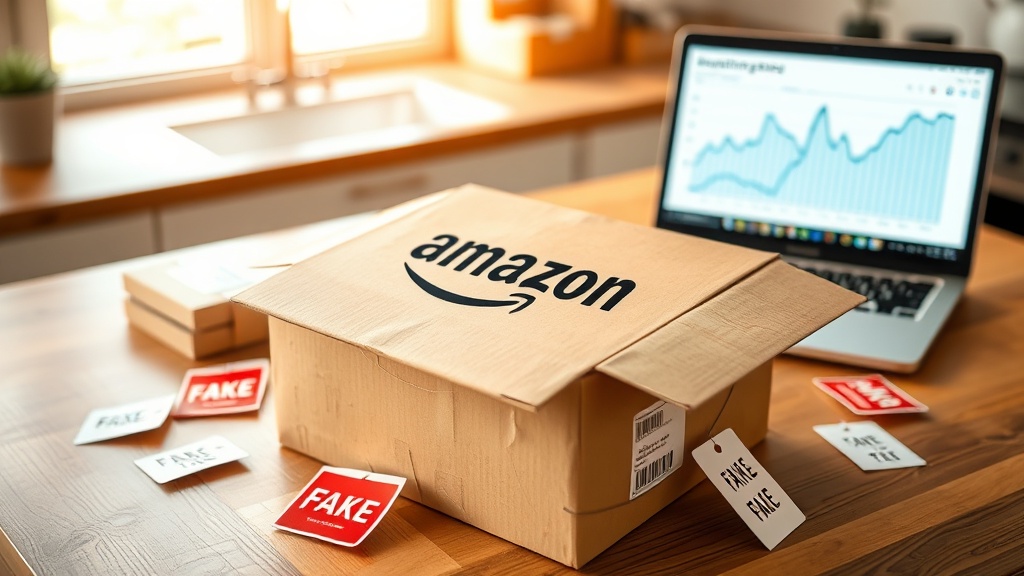
I spent two days running price histories on 40 of the most-promoted Spring Sale items using CamelCamelCamel and Keepa. Here's what I found, and it's not subtle.
The Price Inflation Trick Is Still Alive
Out of 40 products I tracked, 14 had their "list price" raised in the two weeks before the sale began. The pattern is always the same: a product that's been selling at $39.99 since November gets bumped to $54.99 in late February, then "discounted" to $37.99 for the Spring Sale. Amazon shows you a crossed-out $54.99 and a bright red "30% OFF" badge, and your brain registers a deal.
You're saving $2 off the real price. You're saving $17 off a number that was invented three weeks ago.
This isn't a theory. The FTC has guidelines against deceptive pricing that specifically address "former price comparisons" — and Amazon sellers operate right at the edge of them constantly. The platform benefits from the conversion lift, so enforcement is, let's say, relaxed.
The Three Categories of Spring Sale "Deals"
After running the numbers, every deal fell into one of three buckets:
Actually Good (11 out of 40)
These hit genuine all-time or near-all-time lows. The pattern: Amazon's own devices and a handful of established brands that use sale events for real volume pushes.
- Echo Dot (5th Gen): $22.99, down from a typical $49.99. This is a real 54% discount, and the price history confirms it. Amazon uses its own hardware as a loss leader to get you into the Alexa ecosystem. Take the subsidy.
- Kindle Paperwhite: $104.99, against a street price of $149.99. Genuine 30% off. Amazon wants you buying ebooks, not the device — classic razor-and-blade model.
- Blink Outdoor 4 + Video Doorbell bundle: $42.99. The doorbell alone typically runs $50+. This is a real bundle discount, though you'll want the $3/month subscription to make the cameras useful.
- AirPods Pro 2: When they drop below $170 (typical sale price: $169), it's legitimate. Apple controls MAP pricing tightly, so deep discounts on Apple products during Amazon sales are usually real.
Meh Deals Wearing Good-Deal Costumes (17 out of 40)
These are technically discounted, but the savings are marginal or the "list price" was never a real selling price.
- Robot vacuums from brands you've never heard of: "Was $399.99, now $159.99! 60% off!" Except the product launched three months ago, has never sold at $399.99, and the $159 price is the actual price point. The list price exists solely to generate that percentage badge.
- Supplement bundles: A "spring wellness" pack "valued at $89" for $34. The individual items sell for $8-12 each year-round. The "value" is a number someone typed into a field.
- Kitchen gadgets with lightning deal countdowns: The urgency timer is doing more selling than the discount. A $24.99 vegetable chopper "on sale" for $19.99 is a $5 discount with a panic attack attached.
Actively Worse Than Normal (12 out of 40)
These are the ones that made me close my laptop and stare at the wall.
- Name-brand headphones "marked down" from inflated list prices: Multiple Sony and JBL models showed list prices $30-50 above their 90-day average, making a modest $10-15 discount look like a $40-65 savings event.
- Bedding and home textiles: The home category is a cesspool of phantom pricing. A "luxury" sheet set "reduced" from $129.99 to $44.99 that has literally never sold above $49.99 in its CamelCamelCamel history. The $129.99 is performance art.
- Any product with "Spring Sale Exclusive" in the title: This usually means the product was created for the sale — a slightly different color or bundle configuration that has no price history to compare against. It's not a deal. It's a product that was born at this price.
How to Check Any Deal in 30 Seconds
I'm not going to tell you to avoid the sale. Some of these deals are real, and real discounts on things you actually need are worth taking. But you need a system:
- Install the CamelCamelCamel browser extension (free). It shows you the full price history of any Amazon product directly on the product page. Takes two minutes to set up. This is the single most important tool for Amazon shopping, full stop.
- Check the 365-day price history, not the 30-day. Sellers inflate prices 2-4 weeks before sales. A 30-day window catches you inside the manipulation. A 365-day window shows you what the product actually costs.
- Ignore the percentage badge. "67% off" means nothing if the "original" price was fabricated. Look at the actual dollar amount and whether it represents a real low.
- Ask yourself if you'd buy it at full price. If the answer is no, a discount doesn't change the math. A product you don't need at 50% off costs infinitely more than a product you don't buy.
The Spring Sale I'd Actually Run
If I were Amazon — and I am emphatically not — I'd do the thing that would actually build trust: show the price history on every product page by default. Let people see the 52-week range right next to the current price, the way stock tickers work.
They'll never do this. The entire sale model depends on information asymmetry. You feeling like you got a deal matters more than whether you actually got one.
That's why CamelCamelCamel exists. That's why Keepa exists. And that's why I'm sitting here running price checks on Bluetooth speakers instead of sleeping — because somebody has to do the math, and it sure isn't going to be the company collecting the 15% referral fee on every transaction.
The Bottom Line
Roughly 28% of the Spring Sale deals I checked were genuinely good. About 42% were mediocre savings dressed up in urgent red banners. And 30% were either no savings at all or actively worse than buying the product on a random Tuesday in January.
The Spring Sale isn't a scam. It's a mixed bag with excellent marketing. Your job is to bring the price tracker to the party and let the math decide what's actually worth your money.
The deals end Sunday. Your CamelCamelCamel extension works forever.