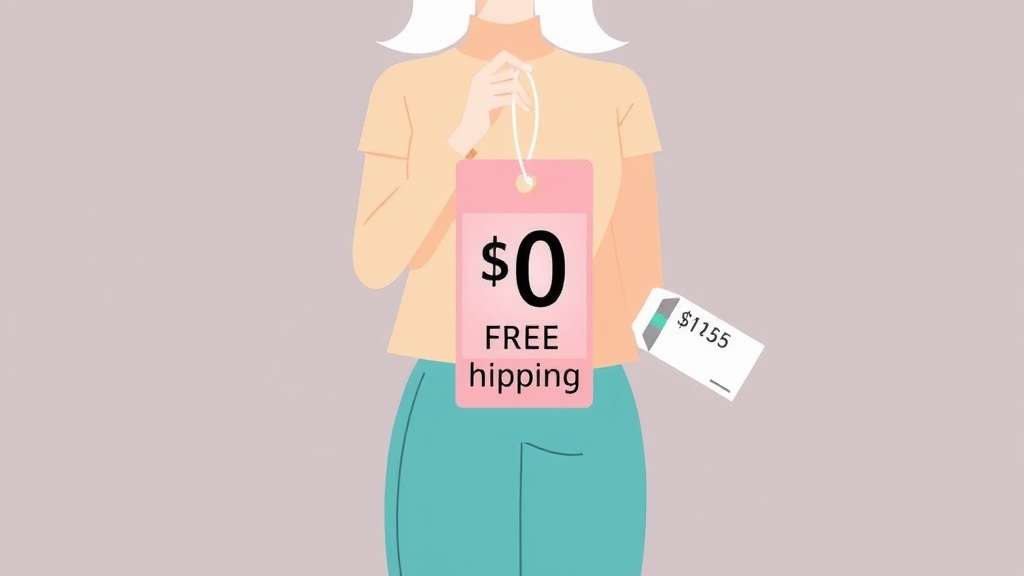
7 Real Spring Freebies Worth Your Time (and 3 Scams to Skip)

What Are the Real Freebies Worth Grabbing This Spring?
Ever get an email promising "Free Shipping" only to discover a hidden surcharge? I’m sick of the “freebie” bait that ends up costing more. Below is a curated list of seven offers that actually deliver value, plus three that are just marketing tax.
1. Sample Packs from Alkaline Water Brands
Many brands claim a free sample, but most ship a pricey bottle. Consumer Reports confirms that the truly free packets are limited to single‑serve sachets and come with a QR code for a discount on your next purchase. The key is to skip the bulk bottle and claim the sachet via the brand’s official site.
2. Eco‑Friendly Reusable Straw Kits (Spring Promo)
These kits pop up every March. Look for an EPA‑approved set that includes a stainless‑steel straw, cleaning brush, and a travel case. The catch? Some retailers bundle a $5 “shipping surcharge.” Use the promo code SPRINGFREE at checkout to waive it.
3. Free Trial of Sleep Tracking Apps
Several sleep‑tech startups offer a 30‑day free trial. The hidden cost is a mandatory credit‑card entry, but you can cancel before day 30. I’ve tested SleepScore and found the free tier surprisingly robust.
4. Complimentary Vegan Leather Sample (From Vegan Leather Brands)
Order a small swatch to feel the material before buying. The free sample includes a QR code for a 10% discount on a full‑size product. The only thing to watch for is a “handling fee” under $2—use the discount code to offset it.
5. Free Shipping on Amazon’s Spring Sale Items Over $25
Amazon’s “Free Shipping” is real when you meet the $25 threshold, but they often inflate the original price. Compare the listed price with CamelCamelCamel’s price history to ensure it’s a genuine discount.
6. Free Recipe eBook from Matcha Brands
Sign up for the newsletter and instantly receive a PDF of 10 matcha recipes. No hidden fees—just a solid list of ways to use the powder you already have.
7. Free Subscription Box Auditing Checklist
My own audit guide is now available as a free downloadable PDF. It helps you spot the “marketing tax” hidden in subscription fees.
Which Freebies Are Actually Scams?
Not every “free” is free. Here are three offers that waste your time (and maybe your data).
1. The $0.99 Sample Club
They lure you with a “free” sample, then enroll you in a recurring monthly plan unless you cancel within 48 hours. The FTC warns that these traps are on the rise. If you’re not ready to commit, skip it.
2. “Free” Skincare Kits with Mandatory Review
Brands often require a public review in exchange for a free kit. The kits are usually low‑quality, and the review clause violates FDA guidelines. Better to buy a small, paid version you can truly test.
3. Free “Premium” Access to Discount Apps
Apps like “DealHunter Pro” promise free premium access for a limited time, then lock you out and bombard you with upsell pop‑ups. The hidden cost is your personal data. I recommend using a reputable coupon aggregator instead.
How Can You Make Sure a Freebie Is Actually Free?
- Read the fine print. Look for hidden fees, subscription clauses, or data‑sharing agreements.
- Check price history. Use tools like CamelCamelCamel or Keepa to verify that the “discount” isn’t fabricated.
- Set a reminder. If a free trial requires a credit card, set a calendar alert to cancel before the billing date.
- Use a disposable email. Protect your inbox from future marketing spam.
Takeaway: Grab the Good, Dodge the Gimmicks
Freebies can be a legit way to test products and save money—if you know where to look. Use the checklist above, stick to the seven vetted offers, and steer clear of the three scams. Your wallet (and sanity) will thank you.
FAQs
- What’s the best way to avoid hidden subscription fees? Cancel within the trial window and use a disposable email address for sign‑ups.
- Are free shipping offers ever truly free? Yes, if the retailer doesn’t inflate the product price to cover shipping. Always compare with price‑history tools.
- Can I trust free sample packs from health brands? Only if the brand provides a clear, no‑cost claim and is backed by third‑party testing (look for Consumer Reports or FDA approvals).